
Why Breathing Techniques on GLP-1 Support Success Breathing techniques on GLP-1 represent accessible, zero-cost practices that directly address common treatment challenges—reducing nausea through controlled breathing that activates parasympathetic nervous system, managing stress and cortisol that can interfere with fat loss, addressing anxiety about body changes or medication use, improving digestive comfort when GI symptoms arise, and creating mindful awareness that supports …
Why Breathing Techniques on GLP-1 Support Success
Breathing techniques on GLP-1 represent accessible, zero-cost practices that directly address common treatment challenges—reducing nausea through controlled breathing that activates parasympathetic nervous system, managing stress and cortisol that can interfere with fat loss, addressing anxiety about body changes or medication use, improving digestive comfort when GI symptoms arise, and creating mindful awareness that supports conscious eating decisions rather than unconscious patterns.
If you’re using GLP-1 medications while experiencing mild nausea that makes eating uncomfortable, struggling with stress that triggers cortisol elevation interfering with results, feeling anxious about transformation or overwhelmed by body changes, or finding that shallow stressed breathing exacerbates digestive discomfort, you’re missing simple breathing techniques on GLP-1 that provide immediate relief and long-term support without requiring additional medications, supplements, or complex interventions.
The critical importance of incorporating breathing techniques on GLP-1 extends beyond symptom management into comprehensive wellness optimization that enhances medication effectiveness. While GLP-1 medications handle appetite suppression and metabolic improvements, strategic breathing practices reduce stress hormones that promote fat storage, activate rest-and-digest nervous system functions that improve GI comfort and nutrient absorption, and create psychological calm that supports adherence during challenging phases when anxiety might otherwise trigger treatment abandonment.
Research published in Frontiers in Psychology demonstrates that controlled breathing practices significantly reduce stress, anxiety, and cortisol levels while improving parasympathetic nervous system tone and overall wellbeing. For individuals using GLP-1 for weight management, breathing techniques on GLP-1 provide complementary support that addresses common side effects, reduces stress-driven obstacles to success, and creates mind-body integration essential for sustainable transformation extending beyond physical weight changes.
Managing GI Side Effects Through Breath
Understanding the Breath-Digestion Connection
Physiological Relationship:
How breathing techniques on GLP-1 help digestion:
Parasympathetic Activation:
- Slow, deep breathing activates vagus nerve
- Vagus nerve controls “rest and digest” functions
- Improved gastric motility
- Better nutrient absorption
- Reduced nausea and discomfort
Stress Reduction:
Calming breathing techniques on GLP-1:
- Stress worsens GI symptoms
- Cortisol slows digestion
- Anxiety increases nausea
- Shallow breathing exacerbates discomfort
- Deep breathing reverses all these
Direct Mechanical Benefits:
- Diaphragmatic breathing massages digestive organs
- Improved blood flow to GI tract
- Gentle internal movement aids motility
- Relaxes abdominal tension
- Physical comfort improvement
Anti-Nausea Breathing Protocol
Immediate Relief:
Practical breathing techniques on GLP-1 for nausea:
4-7-8 Breathing:
- Exhale completely through mouth
- Close mouth, inhale through nose (count 4)
- Hold breath (count 7)
- Exhale forcefully through mouth (count 8)
- Repeat 3-4 cycles
Why This Works:
Effective breathing techniques on GLP-1:
- Activates parasympathetic nervous system
- Reduces anxiety contributing to nausea
- Distracts from discomfort
- Immediate calming effect
- Can use anytime, anywhere
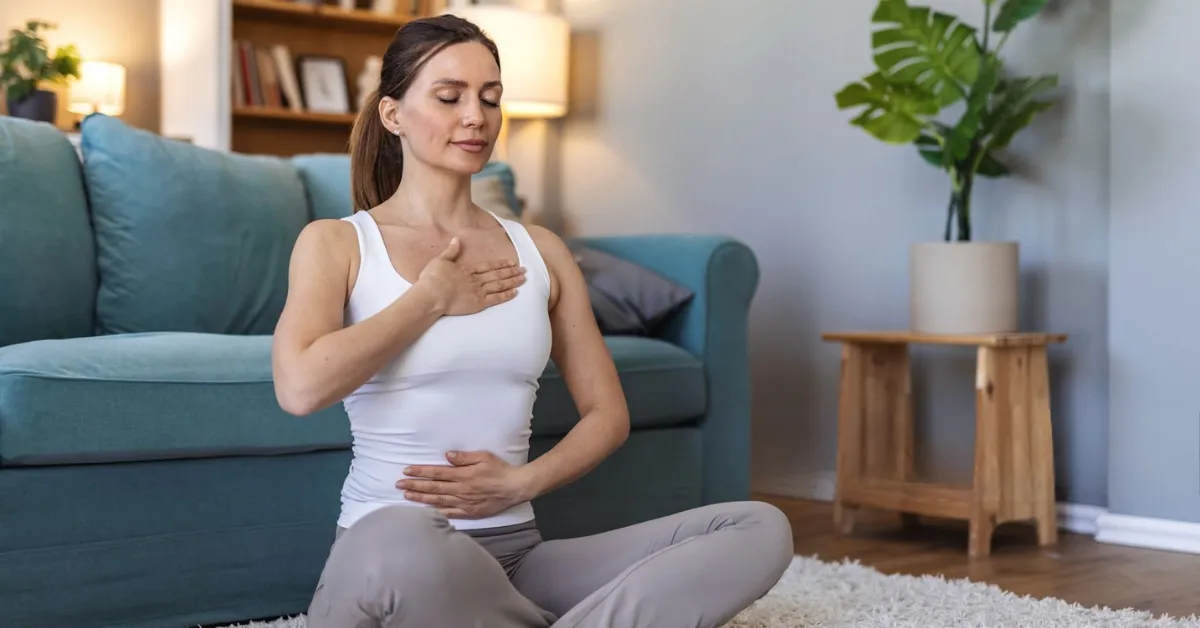
Gentle Belly Breathing:
- Hand on belly
- Slow deep breaths into belly (not chest)
- Feel hand rise and fall
- 5-10 minutes
- Reduces nausea within minutes
When to Use:
Timing breathing techniques on GLP-1:
- Before eating (if anticipatory nausea)
- After injection
- Any time nausea appears
- Preventatively during known trigger times
- As needed throughout day
Studies show controlled breathing reduces nausea and GI discomfort.
Stress Reduction for Optimal Results
Cortisol and Weight Loss Connection
Why Stress Matters:
Important breathing techniques on GLP-1 understanding:
Chronic Stress Effects:
- Elevated cortisol promotes belly fat storage
- Increases appetite (especially carbs/sugar)
- Reduces insulin sensitivity
- Impairs sleep quality
- Undermines transformation efforts
Stress on GLP-1:
Relevant breathing techniques on GLP-1 context:
- Transformation itself can be stressful
- Body changes create adjustment anxiety
- Social situations may increase stress
- Plateau worry elevates cortisol
- Managing stress optimizes results
Breathing as Solution:
- Immediately reduces cortisol
- Activates relaxation response
- No cost, no side effects
- Accessible anytime
- Highly effective
Daily Stress-Reduction Breathing
Regular Practice:
Preventative breathing techniques on GLP-1:
Morning Breathing Routine (5 minutes):
- Upon waking, before phone
- Sit comfortably
- Slow deep breaths (4 count in, 6 count out)
- 20-30 breaths total
- Sets calm tone for day
Midday Reset (3 minutes):
Refreshing breathing techniques on GLP-1:
- During lunch break
- Step outside if possible
- Box breathing (described below)
- Releases accumulated stress
- Improves afternoon energy
Evening Wind-Down (10 minutes):
- Before bed
- Lying down comfortable
- Extended exhalations (4 in, 8 out)
- Prepares for quality sleep
- Processes day’s stress
Benefits:
Consistent breathing techniques on GLP-1:
- Lower baseline cortisol
- Better stress resilience
- Improved sleep quality
- Enhanced fat loss
- Greater overall wellbeing
Box Breathing for Anxiety and Cravings
The Technique
Simple and Powerful:
Versatile breathing techniques on GLP-1:
Box Breathing (4-4-4-4):
- Exhale all air completely
- Inhale through nose (count 4)
- Hold breath (count 4)
- Exhale through mouth (count 4)
- Hold empty (count 4)
- Repeat 4-8 cycles
Visualization:
Helpful breathing techniques on GLP-1 imagery:
- Imagine drawing a square
- Each side represents one count of four
- Top: inhale
- Right side: hold full
- Bottom: exhale
- Left side: hold empty
- Visual aid focuses mind
Why It Works:
- Equal breathing phases balance nervous system
- Holding breath increases CO2 tolerance
- Calms mind through rhythm
- Used by Navy SEALs for stress
- Proven effective
Applications During Treatment
Specific Uses:
Targeted breathing techniques on GLP-1:
Managing Food Cravings:
- Craving appears
- Immediate box breathing (3-4 minutes)
- Craving intensity typically reduces
- Creates decision space
- Often craving passes
Handling Anxiety:
Calming breathing techniques on GLP-1:
- Social eating situations
- Before weigh-ins
- During plateaus
- Body image moments
- Any anxiety trigger
Improving Focus:
- Before important decisions
- When feeling scattered
- Meal planning time
- Exercise preparation
- Centering practice
Practice Location:
- Sitting at desk
- In car (parked)
- Before entering restaurant
- Bathroom break (private)
- Anywhere, anytime
Research confirms box breathing effectively reduces anxiety and stress responses.
Diaphragmatic Breathing for Digestion
Proper Technique
Belly Breathing:
Foundational breathing techniques on GLP-1:
How to Perform:
- Lie down or sit comfortably
- One hand on chest, one on belly
- Inhale deeply through nose (belly rises, chest minimal)
- Exhale slowly through mouth (belly falls)
- Focus on belly movement, not chest
- 5-10 minutes daily
Why Belly Not Chest:
Optimal breathing techniques on GLP-1:
- Most people breathe shallowly (chest only)
- Diaphragmatic breathing uses full lung capacity
- Massages internal organs
- Activates vagus nerve
- More oxygen per breath
Common Mistakes:
- Chest rising more than belly (reverse it)
- Breathing too fast (slow down)
- Tension in shoulders (relax)
- Forcing breath (should feel natural)
- Inconsistent practice
Digestive Benefits
Direct Impact:
Therapeutic breathing techniques on GLP-1:
Mechanical Effects:
- Diaphragm movement massages stomach and intestines
- Improves motility (movement through GI tract)
- Reduces bloating
- Eases constipation (common GLP-1 side effect)
- Gentle internal massage
Nervous System Effects:
Regulatory breathing techniques on GLP-1:
- Activates parasympathetic (“rest and digest”)
- Improves digestive enzyme production
- Better nutrient absorption
- Reduced stress-related GI issues
- Optimal digestion environment
When to Practice:
- Before meals (prepares digestion)
- After eating (supports digestion)
- Morning (regularity support)
- Evening (overnight digestion)
- Anytime GI discomfort
Alternate Nostril Breathing for Balance
The Practice
Balancing Technique:
Advanced breathing techniques on GLP-1:
Nadi Shodhana (Alternate Nostril):
- Sit comfortably, spine straight
- Right thumb closes right nostril
- Inhale through left nostril (count 4)
- Close left nostril with ring finger
- Release right nostril, exhale (count 4)
- Inhale right nostril (count 4)
- Close right, release left, exhale (count 4)
- Repeat 5-10 cycles
Hand Position:
Traditional breathing techniques on GLP-1:
- Use right hand
- Thumb and ring finger active
- Other fingers relaxed
- Hand near face, not pressing hard
- Gentle nostril closure
Rhythm:
- Keep counts equal (4-4-4-4)
- Can extend to 6 or 8 counts
- Smooth, even breathing
- No forcing or straining
- Comfortable pace
Benefits for Transformation
Holistic Support:
Balancing breathing techniques on GLP-1:
Nervous System Balance:
- Balances left/right brain hemispheres
- Calms overactive mind
- Reduces anxiety
- Improves focus
- Mental clarity
Emotional Regulation:
Stabilizing breathing techniques on GLP-1:
- Processes difficult emotions
- Reduces emotional eating triggers
- Creates space between stimulus and response
- Improves self-awareness
- Supports mindful choices
Physical Benefits:
- Lowers blood pressure
- Reduces heart rate
- Improves respiratory function
- Enhances oxygen delivery
- Overall vitality
Best Times:
- Morning (mental clarity for day)
- Before stressful situations
- When feeling emotionally reactive
- Before important decisions
- Daily practice for cumulative benefits
Building Sustainable Daily Practice
Starting Simple
Beginner Approach:
Accessible breathing techniques on GLP-1:
Week 1-2: Just One Technique
- Choose one practice (diaphragmatic recommended)
- 5 minutes daily
- Same time each day (morning ideal)
- Build habit before complexity
- Consistency over perfection
Week 3-4: Situational Use
Expanding breathing techniques on GLP-1:
- Continue daily practice
- Add specific technique for side effects
- Box breathing for cravings
- 4-7-8 for nausea
- Apply as needed
Week 5+: Full Integration
- Multiple techniques in toolkit
- Used automatically when needed
- Daily baseline practice
- Situational applications
- Lifestyle integration
Creating Triggers and Reminders
Habit Stacking:
Systematic breathing techniques on GLP-1:
Link to Existing Habits:
- After morning coffee (diaphragmatic breathing)
- Before each meal (3 deep breaths)
- During commute (box breathing)
- Before bed (relaxation breathing)
- Automatic association
Phone Reminders:
Structured breathing techniques on GLP-1:
- Set 2-3 daily alarms
- “Breathing break” notification
- 5-minute practice
- Gradually remove as habit forms
- Training wheels approach
Environmental Cues:
- Sticky note on mirror
- Phone wallpaper reminder
- Meditation cushion visible
- Cues prompt practice
- Environmental design
Tracking Progress
Monitoring Benefits:
Documented breathing techniques on GLP-1:
Symptoms Journal:
- Note GI comfort daily
- Stress/anxiety levels (1-10)
- Sleep quality
- Cravings frequency
- Observe patterns and improvements
Practice Log:
Accountability breathing techniques on GLP-1:
- Check off daily practice
- Note technique used
- Duration
- How you felt after
- Builds consistency
Celebrate Wins:
- Notice when breathing helped
- Recognize reduced symptoms
- Acknowledge stress management
- Non-scale victory
- Positive reinforcement
Studies confirm consistent mind-body practices improve long-term health outcomes.
Frequently Asked Questions About Breathing Techniques on GLP-1
Can breathing really help with GLP-1 side effects?
Yes, breathing techniques on GLP-1 activate parasympathetic nervous system (“rest and digest”), directly reducing nausea, improving GI motility, and decreasing stress that exacerbates side effects. Many users report significant symptom relief through consistent practice.
How quickly do breathing techniques work?
Immediate breathing techniques on GLP-1 effects: nausea often reduces within 3-5 minutes, stress/anxiety calms in 5-10 minutes, digestion improves over 10-15 minutes. Cumulative benefits (lower baseline cortisol, better stress resilience) develop over weeks of practice.
Which breathing technique is best for GLP-1 users?
Start with diaphragmatic breathing techniques on GLP-1 for general benefits, use 4-7-8 breathing for nausea, box breathing for cravings/anxiety, and alternate nostril for emotional balance. Most beneficial: daily diaphragmatic practice plus situational specific techniques.
How long should I practice breathing exercises?
Minimum effective breathing techniques on GLP-1: 5 minutes daily baseline practice, 3-5 minutes for specific symptoms (nausea, cravings), cumulative 10-15 minutes daily ideal. Quality and consistency matter more than duration.
Can breathing techniques replace medication for side effects?
No, breathing techniques on GLP-1 complement rather than replace medical treatment. They’re additional tools reducing symptoms naturally. For severe or persistent side effects, consult your healthcare provider. Breathing supports but doesn’t substitute medical care.
When is the best time to practice?
Optimal breathing techniques on GLP-1 timing: morning (sets calm baseline), before meals (aids digestion), during symptoms (immediate relief), before sleep (improves rest). Consistency matters more than specific timing—practice when sustainable.
Do I need special training or equipment?
No special breathing techniques on GLP-1 requirements: can practice anywhere, no equipment needed, simple techniques learned from instructions, apps available for guided practice (optional), and accessible to everyone regardless of fitness level.
How do breathing techniques reduce stress eating?
Strategic breathing techniques on GLP-1 create pause between trigger and response, activate calming nervous system response, reduce cortisol that drives cravings, increase mindful awareness, and often cravings pass during breathing practice.
Conclusion: Breath as Transformation Support
Breathing techniques on GLP-1 represent accessible, evidence-based practices requiring zero cost or equipment that directly address common treatment challenges—reducing nausea through parasympathetic activation, managing stress and cortisol that interfere with fat loss, improving digestive comfort when GI symptoms arise, and creating mindful awareness supporting conscious eating decisions rather than reactive patterns. While GLP-1 medications provide physiological appetite suppression and metabolic improvements, strategic breathing practices optimize nervous system function, reduce stress-driven obstacles, and create mind-body integration essential for sustainable transformation.
Key Takeaways:
- Start with 5 minutes daily diaphragmatic breathing
- Use 4-7-8 breathing for immediate nausea relief
- Practice box breathing for cravings and anxiety
- Try alternate nostril breathing for emotional balance
- Breathing activates “rest and digest” nervous system
- Reduces cortisol that promotes fat storage
- Complements GLP-1 without side effects or cost
By incorporating breathing techniques on GLP-1—establishing daily baseline practice, applying specific techniques for symptoms, reducing stress through consistent breathwork, improving digestive comfort through diaphragmatic breathing, and building sustainable long-term habits—you create comprehensive wellness support that enhances medication effectiveness, addresses common challenges naturally, and builds mind-body awareness essential for lasting transformation extending far beyond physical weight changes.
Your transformation deserves holistic support beyond medication alone. Breathe intentionally, manage stress effectively, and discover how simple breathing practices powerfully enhance your GLP-1 journey.
Sign up for free Session!
It’s easy and free!
Check Your Eligibility
Want to maximize your GLP-1 results with comprehensive wellness strategies and mind-body integration support? Get expert guidance for complete transformation success. Start your journey here.
Source:
The effect of diaphragmatic breathing on attention, negative affect and stress
Self-regulation of breathing as a primary treatment for anxiety
How breath-control can change your life
Breath of life: The respiratory vagal stimulation model of contemplative activity
Self-regulation of breathing as a primary treatment for anxiety
How breath-control can change your life
Breath of life: The respiratory vagal stimulation model of contemplative activity