

Why Family Meals on GLP-1 Challenge Traditional Cooking Family meals on GLP-1 present unique challenge where medication creates reduced appetite requiring smaller portions and protein-priority focus while other family members maintain normal hunger expecting traditional servings and familiar comfort foods—creating tension between personal health needs and family meal traditions, temptation to prepare separate meals causing unsustainable cooking burden, or abandoning optimal …
Why Family Meals on GLP-1 Challenge Traditional Cooking
Family meals on GLP-1 present unique challenge where medication creates reduced appetite requiring smaller portions and protein-priority focus while other family members maintain normal hunger expecting traditional servings and familiar comfort foods—creating tension between personal health needs and family meal traditions, temptation to prepare separate meals causing unsustainable cooking burden, or abandoning optimal nutrition to avoid appearing “difficult” despite transformation depending on consistent protein-focused eating regardless of family preferences.
If you’re using GLP-1 medications while cooking separate meals for yourself and family creating exhausting daily burden, reverting to family’s preferred high-carb foods abandoning protein priorities, eating before family to avoid portion pressure, or experiencing isolation and resentment around shared meals that should foster connection, you’re encountering how inadequate family meals on GLP-1 strategies undermine both transformation success and family cohesion—missing that strategic planning enables single meals satisfying everyone through component-based cooking, flexible serving, and inclusive communication.
The critical importance of mastering family meals on GLP-1 extends beyond logistical efficiency into preserving family bonds and modeling healthy behaviors. While GLP-1 medications require nutritional adjustments, sustainable transformation demands family inclusion rather than isolation, children learning balanced eating through observation not preaching, partners supporting rather than sabotaging through separate food cultures, and shared meals maintaining social connection despite different nutritional needs—collectively determining whether transformation enhances family life or creates division requiring choice between health and relationships.
Research published in Appetite journal demonstrates that family meals significantly predict healthier eating patterns, improved dietary quality, better psychological wellbeing, and stronger family relationships, with shared eating particularly beneficial for children’s development of healthy food relationships and adults’ dietary adherence. For individuals using GLP-1 for weight management, family meals on GLP-1 mastery means developing component-based cooking enabling customization, communicating needs without burdening others, modeling protein-priority eating naturally, and creating inclusive meal experiences where different portion sizes and compositions coexist harmoniously at same table.
Build-Your-Own Bowl Strategy
Deconstructed Meal Approach
Component Cooking:
Flexible family meals on GLP-1:
Base Concept:
- Cook components separately
- Everyone builds their plate
- Customization built-in
- One cooking session
- Multiple combinations
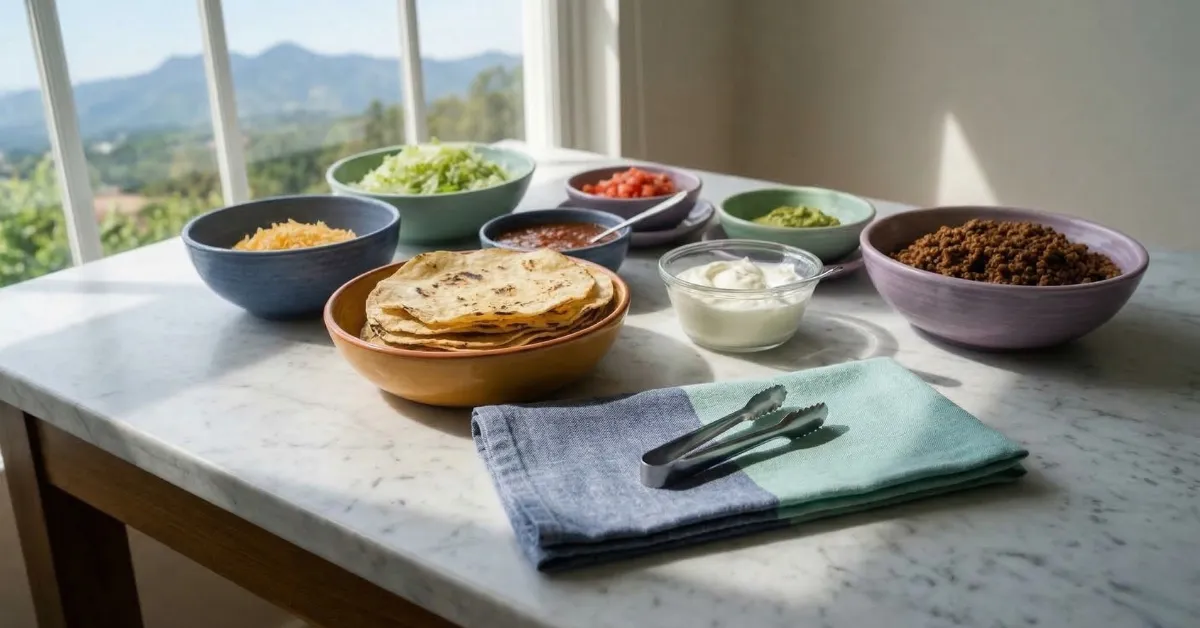
Example: Taco Night
Popular family meals on GLP-1:
Components Prepared:
- 3 lbs seasoned ground turkey (protein)
- Shredded lettuce (vegetable)
- Diced tomatoes (vegetable)
- Shredded cheese (topping)
- Sour cream/Greek yogurt (topping)
- Tortillas (optional carb)
- Salsa and hot sauce (flavor)
Your Plate (GLP-1):
- Large lettuce base
- 8 oz ground turkey (60g protein)
- Tomatoes, cheese
- Greek yogurt
- Salsa
- Skip tortilla (or use 1 small)
Family’s Plate:
Inclusive family meals on GLP-1:
- 2-3 tortillas
- Moderate turkey
- All toppings
- Traditional tacos
- Everyone satisfied
Why This Works:
- Same food, different assembly
- No separate cooking
- Natural portion control
- Family participation
- Sustainable approach
Other Bowl-Based Meals
Versatile Options:
Adaptable family meals on GLP-1:
Stir-Fry Night:
- Protein: chicken, beef, or tofu
- Vegetables: broccoli, peppers, snap peas
- Sauce: teriyaki or soy-based
- Base: rice, cauliflower rice, or none
- Custom combinations
Pasta Bar:
Customizable family meals on GLP-1:
- Protein: meatballs, grilled chicken
- Sauce: marinara, alfredo
- Vegetables: roasted zucchini, peppers
- Pasta: regular or zucchini noodles
- Individual preferences
Breakfast Bowl:
- Scrambled eggs (protein)
- Turkey sausage (protein)
- Roasted potatoes (optional carb)
- Sautéed vegetables
- Build your breakfast
Salad Bar:
Fresh family meals on GLP-1:
- Mixed greens base
- Grilled chicken strips
- Hard-boiled eggs
- Various vegetables
- Nuts, cheese, dressings
- DIY salad creation
Studies show family meals improve dietary quality for all members.
Protein-Centered Meals With Flexible Sides
Main Protein Focus
Shared Centerpiece:
Centered family meals on GLP-1:
Grilled Chicken Dinner:
- Main: 5 lbs chicken breast (feeds family)
- Your portion: 8 oz (60g protein)
- Family portion: 4-6 oz each
- Same protein, different amounts
- Simple scaling
Sides Strategy:
Flexible family meals on GLP-1:
Your Sides:
- 2 cups roasted broccoli
- Side salad
- Vegetable-forward
- Low-carb emphasis
Family Sides:
- Roasted broccoli (they eat too)
- Mashed potatoes or rice
- Dinner rolls
- Traditional additions
How to Serve:
- Plate your food first (protein + vegetables)
- Family adds starches if desired
- Everyone eats together
- Minimal conflict
One-Pan Sheet Dinners
Simplified Cooking:
Efficient family meals on GLP-1:
Sheet Pan Chicken and Vegetables:
- Chicken thighs (protein)
- Brussels sprouts, carrots, onions
- Olive oil and seasonings
- Roast together 425°F for 35 minutes
- Simple cleanup
Portion Differences:
Balanced family meals on GLP-1:
- You: 8 oz chicken, lots of vegetables
- Family: chicken portions + add rice/bread
- Same meal, different ratios
- Easy execution
Other One-Pan Options:
- Salmon with asparagus
- Pork chops with green beans
- Sausage and peppers
- Beef and broccoli
Portion Modification Techniques
Right-Sizing Your Plate
Visual Strategy:
Portion-adapted family meals on GLP-1:
Your Plate Composition:
- Half plate: protein (8 oz)
- Other half: vegetables (2 cups)
- Minimal or no starches
- Protein-priority visible
Family Plate Composition:
Traditional family meals on GLP-1:
- Quarter plate: protein (4-6 oz)
- Quarter plate: starch
- Half plate: vegetables
- Balanced traditional
Same Food, Different Ratios:
- Not separate meals
- Proportions adjusted
- Individual needs met
- Harmony maintained
Managing Portion Pressure
Communication:
Assertive family meals on GLP-1:
Before Meal:
- “I’ll take a smaller portion”
- “My appetite has changed”
- Matter-of-fact tone
- No extensive explanation
- Normalize difference
During Meal:
Boundary-setting family meals on GLP-1:
- Serve yourself first (appropriate amount)
- Decline seconds politely
- “I’m satisfied, thank you”
- No apology needed
- Consistent boundaries
Family Understanding:
- Educate once (simple explanation)
- “Doctor recommended smaller portions for my health”
- Then boundary maintenance
- Repetition builds acceptance
- New normal established
Kid-Friendly Protein-Forward Recipes
High-Protein Family Favorites
Child-Approved:
Kid-friendly family meals on GLP-1:
Chicken Nuggets (Homemade):
- Chicken breast chunks
- Almond flour or protein powder coating
- Bake instead of fry
- Dipping sauces
- Kids love them
Your Portion:
- 8 oz chicken nuggets (60g protein)
- Side vegetables
- High protein satisfied
Kids’ Portion:
Appropriate family meals on GLP-1:
- 4-6 nuggets
- Vegetables (if they’ll eat)
- Small starch side
- Balanced meal
Mini Meatballs:
- Ground turkey or beef
- Seasonings kids like
- Marinara sauce
- Protein-packed
- Fun finger food
Protein Pizza:
Creative family meals on GLP-1:
- Chicken crust (for you)
- Regular crust (for family)
- Same toppings
- Everyone happy
- Inclusive meal
Hidden Vegetable Sauces:
- Blend vegetables into marinara
- Kids don’t notice
- Increased nutrition
- Family-wide benefit
- Stealth health
Teaching Healthy Habits
Modeling Behavior:
Educational family meals on GLP-1:
What Kids See:
- Protein-priority eating
- Vegetable emphasis
- Appropriate portions
- Satisfied not stuffed
- Healthy relationship with food
What Kids Learn:
Influential family meals on GLP-1:
- Food choices important
- Protein makes you strong
- Vegetables essential
- Listening to body’s signals
- Lifelong healthy patterns
Avoid:
- Labeling foods “good/bad”
- Making health seem restrictive
- Forcing them to eat like you
- Extensive diet talk
- Creating food anxiety
Instead:
- Normalize healthy choices
- Offer options
- Respect their hunger/fullness
- Positive food environment
- Natural learning
Research confirms parents’ eating behaviors significantly influence children’s food relationships.
Communication and Family Inclusion
Explaining Your Needs
Simple Communication:
Clear family meals on GLP-1:
Initial Conversation:
- “My doctor recommended I focus on protein and vegetables”
- “My appetite has changed, so I’ll eat smaller portions”
- “I’d love to keep eating together as a family”
- “This doesn’t mean you have to change what you eat”
- Reassurance and clarity
Addressing Concerns:
Supportive family meals on GLP-1:
Partner Worries:
- “Will I have to cook separate meals?”
- Answer: “No, I can eat the protein and vegetables from family meals”
- “Are you going to make us diet too?”
- Answer: “No, you can eat however you want”
Children Questions:
- “Why are you eating different?”
- Answer: “My body needs different amounts right now”
- “Do I have to eat like you?”
- Answer: “No, you eat what makes your body feel good”
Maintaining Connection
Social Aspect:
Relational family meals on GLP-1:
Same Table, Same Time:
- Physical presence matters most
- Smaller portions don’t isolate
- Conversation and connection
- Meal as family time
- Food secondary to togetherness
Participation:
Inclusive family meals on GLP-1:
- Help cook family meal
- Set table together
- Serve food family-style
- Everyone involved
- Shared experience
Avoiding Judgment:
- Don’t comment on their portions
- Don’t preach about nutrition
- Lead by example
- Respect their choices
- Harmonious meals
Sustainable Family Dinner Patterns
Weekly Meal Rotation
Simple Planning:
Systematic family meals on GLP-1:
Monday: Taco Night
- Build-your-own format
- Quick and easy
- Everyone customizes
Tuesday: Grilled Chicken and Vegetables
Rotation family meals on GLP-1:
- Sheet pan meal
- Add rice for family
- Minimal effort
Wednesday: Stir-Fry
- Choose protein
- Lots of vegetables
- Rice or cauliflower rice options
Thursday: Breakfast for Dinner
- Scrambled eggs, turkey sausage
- Roasted potatoes (optional)
- Fun and flexible
Friday: Homemade Pizza
Weekly family meals on GLP-1:
- Chicken crust for you
- Regular crust for family
- Same toppings
- Weekend treat
Weekend: Leftovers or New Recipe
- Experimental cooking
- Leftover utilization
- Flexible approach
Benefits:
- Predictability reduces stress
- Shopping list simplified
- Everyone knows what to expect
- Sustainable routine
- Decision fatigue eliminated
Involving Family in Solutions
Collaborative Approach:
Partnership family meals on GLP-1:
Family Meeting:
- Discuss meal planning together
- Get input on recipes
- Address concerns openly
- Shared problem-solving
- Buy-in increases
Children Involvement:
Engaging family meals on GLP-1:
- Help choose vegetables
- Assist with cooking
- Learn kitchen skills
- Ownership of meals
- Life skills development
Partner Support:
- Understand your needs
- Respect boundaries
- Celebrate your progress
- Mutual encouragement
- Team approach
Frequently Asked Questions About Family Meals on GLP-1
Do I have to cook separate meals?
Efficient family meals on GLP-1: no, use component-based cooking (taco bar, stir-fry bowl, sheet pan meals), everyone builds their plate from same foods, adjust ratios not recipes (more protein/vegetables for you), family adds starches if desired, and single cooking session feeds everyone.
What if my family won’t eat healthy?
Balanced family meals on GLP-1: focus on shared protein and vegetables (they can add starches), model healthy eating without preaching, offer options not ultimatums, gradual exposure increases acceptance, and your transformation benefits family health naturally over time.
How do I handle kids who want junk food?
Navigating family meals on GLP-1: provide protein-forward family meals consistently, offer limited healthy options (not unlimited choices), model balanced eating yourself, avoid labeling foods “good/bad” creating anxiety, and teach moderation not restriction.
What about cooking for picky eaters?
Accommodating family meals on GLP-1: build-your-own bowls allow customization, separate components let them skip what they dislike, consistent exposure to vegetables increases acceptance over time, involve kids in meal planning and cooking, and patience with gradual change.
Can my family eat my GLP-1 meals?
Inclusive family meals on GLP-1: yes, protein and vegetables benefit everyone (healthy for whole family), they can add starches/carbs if desired for calories, high-protein meals support everyone’s health, gradual family dietary improvement natural, and transformation positive influence on household.
How do I avoid feeling isolated at dinner?
Connected family meals on GLP-1: eat together at same table (most important), participate in conversation fully, focus on social connection not food differences, serve yourself appropriate portions without apology, and meal togetherness transcends plate contents.
What if partner feels I’m forcing my diet?
Communicating family meals on GLP-1: clarify they can eat whatever they want, explain you’ll eat protein/vegetables from family meal, reassure no separate cooking required from them, model healthy eating without preaching, and mutual respect for different needs.
How do I teach kids healthy eating?
Modeling family meals on GLP-1: demonstrate protein-priority eating naturally, offer vegetables consistently without pressure, respect their hunger/fullness signals, avoid diet talk creating anxiety, and children learn most through observation not lectures.
Conclusion: One Meal Unites Different Needs
Family meals on GLP-1 mastery enables satisfying everyone through component-based cooking, flexible serving, and portion customization—eliminating exhausting separate meal preparation while ensuring personal protein priorities, maintaining family meal traditions and social connection, modeling healthy eating for children through natural demonstration, and proving transformation enhances family life rather than creating isolation. While GLP-1 medications require nutritional adjustments, strategic planning enables single meals accommodating different needs through thoughtful preparation and inclusive communication.
Key Takeaways:
- Use build-your-own bowl strategy (tacos, stir-fry, salad bar)
- Cook protein-centered meals with flexible sides
- Adjust ratios not recipes (same food, different portions)
- Communicate needs simply without extensive explanation
- Model healthy eating without preaching to family
- Involve family in meal planning and preparation
- Focus on connection over food differences
By mastering family meals on GLP-1—implementing component-based cooking enabling customization, preparing protein-centered meals with optional sides, communicating needs clearly without burden, modeling protein-priority eating naturally, maintaining consistent family dinner times, involving everyone in planning and preparation, and focusing on relational connection transcending plate contents—you eliminate unsustainable separate cooking, ensure optimal nutrition despite different family needs, strengthen family bonds through shared meals, and create inclusive patterns supporting transformation while enhancing family life.
Your transformation should unite your family, not divide it. Cook strategically, communicate clearly, and discover that one thoughtful meal satisfies everyone beautifully.
Sign up for free Session!
It’s easy and free!
Check Your Eligibility
Want to maximize your GLP-1 results with family meal planning support and comprehensive nutrition guidance? Get expert strategies for inclusive transformation success. Start your journey here.
Source:
Is frequency of shared family meals related to the nutritional health of children and adolescents?
Family dinner meal frequency and adolescent development
Family life cycle transitions and the onset of eating disorders
Dinner rituals that correlate with child and adult BMI
Family dinner meal frequency and adolescent development
Family life cycle transitions and the onset of eating disorders
Dinner rituals that correlate with child and adult BMI