Why Protein Requirements on GLP-1 Differ From Traditional Dieting Protein requirements on GLP-1 represent non-negotiable nutritional priority because caloric deficit from appetite suppression threatens muscle tissue loss, adequate protein provides essential amino acids preserving lean mass during weight loss, insufficient protein leads to metabolic slowdown and unfavorable body composition despite scale success, and reduced hunger from medication makes skipping protein easy …
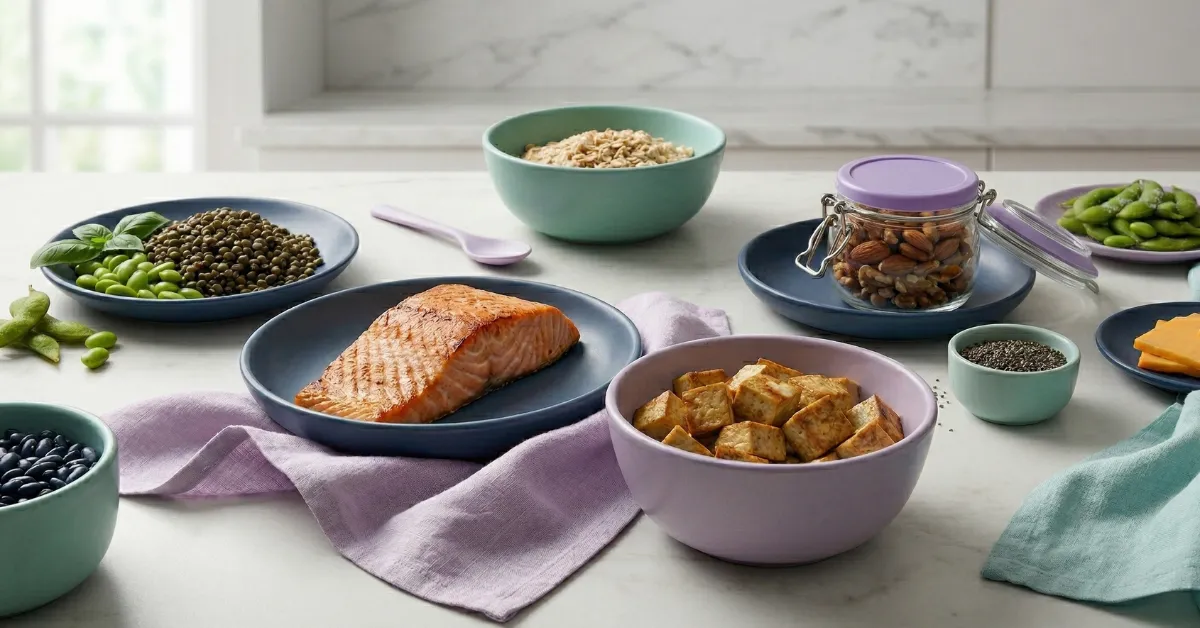
Why Protein Requirements on GLP-1 Differ From Traditional Dieting
Protein requirements on GLP-1 represent non-negotiable nutritional priority because caloric deficit from appetite suppression threatens muscle tissue loss, adequate protein provides essential amino acids preserving lean mass during weight loss, insufficient protein leads to metabolic slowdown and unfavorable body composition despite scale success, and reduced hunger from medication makes skipping protein easy despite unchanged physiological needs—collectively determining whether transformation represents optimal fat loss maintaining muscle or suboptimal weight loss including significant metabolic tissue creating “skinny fat” outcome and regain vulnerability.
If you’re using GLP-1 medications while skipping meals because “not hungry anyway” despite protein targets, believing appetite suppression eliminates nutritional requirements, experiencing rapid weight loss including significant muscle tissue, feeling weak or fatigued despite adequate calories, or approaching nutrition casually because medication “does the work” without recognizing protein requirements on GLP-1 remain unchanged regardless of hunger levels, you’re risking suboptimal body composition, metabolic slowdown, and long-term transformation failure despite otherwise effective pharmaceutical support.
The critical importance of prioritizing protein requirements on GLP-1 extends beyond immediate muscle preservation into long-term metabolic health and transformation sustainability. While GLP-1 medications create caloric deficits through appetite suppression, body composition outcomes depend entirely on protein adequacy—insufficient protein causes body to catabolize muscle tissue for amino acids, reducing metabolic rate making maintenance difficult, creating weakness undermining physical capability, and producing disappointing appearance despite weight loss whereas adequate protein preserves muscle mass, maintains metabolism, supports strength and function, and creates aesthetic transformation matching weight loss magnitude.
Research published in The American Journal of Clinical Nutrition demonstrates that protein intake during caloric restriction is primary determinant of muscle preservation, with inadequate protein leading to 25-40% of weight lost from lean mass whereas adequate protein (1.0-1.2g per pound ideal weight) maintains muscle despite substantial fat loss, and that protein adequacy predicts long-term weight maintenance success. For individuals using GLP-1 for weight management, protein requirements on GLP-1 mastery means calculating appropriate targets, identifying optimal protein sources, meeting goals despite reduced appetite, distributing intake strategically, utilizing supplementation when needed, and tracking consistently ensuring daily adequacy.
Calculating Your Personal Daily Protein Target
The Formula
Individual Needs:
Personalized protein requirements on GLP-1:
Basic Calculation:
- Ideal body weight × 1.0-1.2g = daily protein target
- Example: 150 lb goal weight × 1.2 = 180g protein daily
- Minimum 1.0g per pound
- Optimal 1.2g per pound
- Non-negotiable priority
Why Ideal Weight:
Appropriate protein requirements on GLP-1:
- Not current weight (if significantly overweight)
- Not arbitrary low number
- Healthy sustainable weight
- Body’s actual lean mass needs
- Realistic target
Adjusting for Activity:
- Sedentary: 1.0g per pound (minimum)
- Moderately active: 1.1g per pound
- Very active/strength training: 1.2g per pound
- Higher activity increases needs
- Adjust accordingly
Examples
Various Targets:
Practical protein requirements on GLP-1:
Ideal Weight 120 lbs:
- Minimum: 120g daily (120 × 1.0)
- Optimal: 144g daily (120 × 1.2)
- Target range: 120-144g
Ideal Weight 150 lbs:
Common protein requirements on GLP-1:
- Minimum: 150g daily
- Optimal: 180g daily
- Target range: 150-180g
Ideal Weight 180 lbs:
- Minimum: 180g daily
- Optimal: 216g daily
- Target range: 180-216g
Ideal Weight 200 lbs:
- Minimum: 200g daily
- Optimal: 240g daily
- Target range: 200-240g
Your Number:
Personal protein requirements on GLP-1:
- Calculate using formula
- Write down target
- Track daily against goal
- Non-negotiable priority
- Foundation of success
Studies confirm protein adequacy essential for muscle preservation.
Best High-Protein Food Sources for Every Meal
Animal Proteins
Highest Quality:
Complete protein requirements on GLP-1:
Chicken Breast:
- 8 oz = 60g protein
- Lean and versatile
- Affordable option
- Easy preparation
- Daily staple
Ground Turkey:
Economical protein requirements on GLP-1:
- 8 oz = 56g protein
- Versatile uses
- Budget-friendly
- Batch cooking ideal
- Weekly rotation
Eggs:
- 3 large = 18g protein
- Complete amino acids
- Affordable always
- Multiple preparations
- Breakfast staple
Greek Yogurt:
Convenient protein requirements on GLP-1:
- 1 cup = 20g protein
- Quick grab option
- Sweet or savory
- Versatile uses
- Refrigerator staple
Cottage Cheese:
- 1 cup = 28g protein
- Higher protein than yogurt
- Budget-friendly
- Underutilized option
- Excellent value
Canned Tuna/Salmon:
Shelf-stable protein requirements on GLP-1:
- 5 oz can = 35g protein
- No refrigeration needed
- Emergency backup
- Affordable option
- Pantry essential
Protein Content Reference
Quick Guide:
Memorized protein requirements on GLP-1:
Common Portions:
- 8 oz chicken/turkey = 60g
- 6 oz fish = 40g
- 3 eggs = 18g
- 1 cup Greek yogurt = 20g
- 1 cup cottage cheese = 28g
- 6 oz deli turkey = 40g
- 1 scoop protein powder = 20-30g
Building Meals:
Strategic protein requirements on GLP-1:
- Target 30-50g per meal
- Combine sources if needed
- Simple math
- Plan accordingly
- Consistent adequacy
Meeting Protein Goals Despite Reduced Appetite
Strategic Approaches
Overcoming Challenges:
Practical protein requirements on GLP-1:
Protein First Always:
- Eat protein before anything else
- When appetite highest
- Ensures adequacy
- Non-negotiable rule
- Critical strategy
Frequent Smaller Amounts:
Distributed protein requirements on GLP-1:
- 4-5 smaller protein servings
- Instead of 3 large meals
- Easier with reduced appetite
- More manageable
- Consistent intake
Liquid Protein:
- Protein shakes (when solid food difficult)
- 30-40g in smoothie
- Easier consumption sometimes
- Convenient backup
- Supplement strategy
Priority Scheduling:
Intentional protein requirements on GLP-1:
- Eat protein even when not hungry
- Schedule prevents skipping
- Muscle needs unchanged
- Medication suppresses hunger not requirements
- Discipline required
Meal Examples
Daily Template:
Structured protein requirements on GLP-1:
Breakfast (30-40g):
- 4 scrambled eggs (24g) + 2 turkey sausages (14g) = 38g
- Or 1.5 cups Greek yogurt (30g) + protein powder (20g) = 50g
Lunch (40-50g):
Midday protein requirements on GLP-1:
- 8 oz grilled chicken (60g) + vegetables
- Or large salad with 8 oz turkey (56g)
Dinner (40-50g):
- 6 oz salmon (40g) + vegetables
- Or 8 oz ground turkey (56g) in various preparations
Snacks (20-30g if needed):
- 1 cup cottage cheese (28g)
- Or protein shake (30g)
Daily Total: 150-180g
Adequate protein requirements on GLP-1:
- Meets typical target
- Distributed throughout day
- Manageable portions
- Consistent adequacy
- Sustainable pattern
Timing and Distribution Throughout the Day
Optimal Spacing
Maximizing Utilization:
Efficient protein requirements on GLP-1:
Muscle Protein Synthesis:
- Activated by protein intake
- Lasts approximately 3-4 hours
- Multiple daily feedings optimal
- Distribution matters
- Not just total amount
Recommended Distribution:
Spread protein requirements on GLP-1:
- Breakfast: 30-40g
- Lunch: 40-50g
- Dinner: 40-50g
- Snacks: 20-30g if needed
- 3-4 protein feedings daily
Why Distribution Matters:
- Better muscle preservation
- Improved satiety throughout day
- More efficient utilization
- Sustained energy
- Optimal results
Post-Workout Timing
Exercise Considerations:
Athletic protein requirements on GLP-1:
After Strength Training:
- Protein within 2 hours post-workout
- Supports muscle recovery
- 30-40g adequate
- Not magical window but beneficial
- Convenient timing
General Activity:
Active protein requirements on GLP-1:
- Regular distribution sufficient
- Special timing unnecessary for walking
- Strength training benefits from timing
- Practical approach
- Flexible application
Research supports distributed intake for optimal muscle synthesis.
Supplementation Strategies When Needed
When to Use Supplements
Appropriate Scenarios:
Supplemental protein requirements on GLP-1:
Difficulty Meeting Goals:
- Reduced appetite overwhelming
- Struggling to eat solid protein
- Falling short daily
- Temporary support
- Bridge to adequacy
Convenience Needs:
Practical protein requirements on GLP-1:
- Busy mornings
- Travel situations
- Quick between meals
- Emergency backup
- Accessible protein
Not Meal Replacement:
- Whole foods always preferred
- Supplements fill gaps
- Not primary protein source
- Complementary only
- Food first priority
Choosing Quality Supplements
Selection Criteria:
Smart protein requirements on GLP-1:
Protein Powder:
- Whey or casein (dairy-based)
- Pea or soy (plant-based)
- 20-30g protein per serving
- Minimal additives
- Quality brand
What to Look For:
Quality protein requirements on GLP-1:
- Protein content (primary factor)
- Low sugar (under 5g)
- Minimal ingredients
- Third-party tested
- Reasonable price
Usage:
- 1-2 servings daily maximum
- Mixed with water or milk
- Smoothie additions
- Convenient consumption
- Fills daily gaps
Tracking and Ensuring Consistent Adequacy
Monitoring Systems
Accountability Methods:
Tracking protein requirements on GLP-1:
Food Tracking Apps:
- MyFitnessPal, Cronometer
- Shows protein content
- Daily total visible
- Learning tool
- Accountability
Manual Tracking:
Simple protein requirements on GLP-1:
- Notebook or spreadsheet
- Tally protein by meal
- Daily total calculation
- No app required
- Effective method
Weekly Assessment:
- Hit target 6-7 days weekly
- Consistency over perfection
- Most days adequate
- Sustainable approach
- Long-term success
Building Intuition
Eventually Automatic:
Experienced protein requirements on GLP-1:
Learning Phase (Month 1-2):
- Track everything diligently
- Learn protein content
- Understand portions
- Build knowledge
- Foundation establishment
Intuitive Phase (Month 3+):
Advanced protein requirements on GLP-1:
- Estimate accurately
- Periodic tracking verification
- Mostly intuitive
- Confidence through experience
- Sustainable long-term
Ongoing Vigilance:
- Never assume adequacy
- Periodic tracking confirms
- Easy to slip below needs
- Accountability maintains results
- Consistent priority
Frequently Asked Questions About Protein Requirements on GLP-1
How much protein do I need on GLP-1?
Target protein requirements on GLP-1: calculate ideal body weight × 1.0-1.2g daily (minimum 1.0g per pound, optimal 1.2g), example 150 lb goal weight = 150-180g protein daily, requirements unchanged by medication (hunger suppression doesn’t eliminate needs), and adequacy determines muscle preservation versus loss.
Why does protein matter so much?
Critical protein requirements on GLP-1: preserves muscle tissue during caloric deficit (25-40% weight lost from muscle if inadequate), maintains metabolic rate (prevents slowdown), supports strength and physical function, creates aesthetic transformation (muscle definition visible), and predicts long-term maintenance success.
What if I’m not hungry enough to eat protein?
Overcoming protein requirements on GLP-1 challenges: eat protein despite reduced hunger (schedule intake), choose easier forms (protein shakes when solid food difficult), distribute smaller amounts frequently (4-5 mini servings), and recognize medication suppresses hunger not nutritional needs.
Can I just use protein shakes?
Supplemental protein requirements on GLP-1: no, whole food proteins always preferred (complete nutrition beyond protein), supplements fill gaps not replace meals, maximum 1-2 shakes daily, food provides satiety and micronutrients, and shakes complement not substitute food.
How do I know if I’m getting enough?
Verifying protein requirements on GLP-1: track intake using app or manual method, ensure hitting target 6-7 days weekly, monitor strength maintenance, assess body composition changes (muscle preservation visible), and periodic tracking confirms adequacy.
Does protein timing really matter?
Distribution protein requirements on GLP-1: yes, spacing intake across day optimizes muscle protein synthesis (3-4 feedings ideal), aim for 30-50g per meal, post-workout protein beneficial if strength training, and total daily amount most important but distribution enhances.
What are easiest high-protein foods?
Convenient protein requirements on GLP-1: Greek yogurt (20g per cup, grab-and-go), hard-boiled eggs (18g per 3 eggs, prep weekly), rotisserie chicken (shred for week), canned tuna (35g per can, shelf-stable), and protein powder (mix with water, instant.
Can I build muscle on GLP-1?
Muscle protein requirements on GLP-1: yes, adequate protein plus strength training enables muscle gain or maintenance, protein requirements same as non-medication users, caloric deficit may limit gains but preservation possible, and strength training signals body to prioritize muscle retention.
Conclusion: Protein Adequacy Determines Transformation Quality
Protein requirements on GLP-1 represent non-negotiable nutritional foundation determining whether transformation represents optimal fat loss maintaining metabolic muscle or suboptimal weight loss including significant lean tissue creating unfavorable body composition despite scale success. While GLP-1 medications suppress appetite and enable caloric deficits, muscle preservation depends entirely on protein adequacy—calculate ideal weight × 1.0-1.2g daily target, prioritize protein every meal, meet goals despite reduced hunger, distribute intake throughout day, and track consistently ensuring daily adequacy supporting optimal body composition, metabolic health, and long-term transformation sustainability.
Key Takeaways:
- Calculate target: ideal weight × 1.0-1.2g protein daily
- Prioritize protein first every meal (before other foods)
- Distribute across 3-4 meals (30-50g each)
- Track consistently ensuring daily adequacy
- Eat protein despite reduced appetite (needs unchanged)
- Whole foods preferred, supplements fill gaps only
- Protein determines muscle preservation versus loss
By mastering protein requirements on GLP-1—calculating appropriate personal targets, identifying optimal high-protein sources, meeting goals despite medication-reduced appetite, distributing intake strategically throughout day, utilizing supplementation appropriately when needed, and tracking consistently ensuring daily adequacy—you ensure transformation represents optimal fat loss maintaining metabolic muscle tissue, preserve strength and physical capability, create aesthetic outcomes matching weight loss magnitude, and build foundation supporting long-term maintenance success.
Your transformation quality depends on protein adequacy. Calculate your target, prioritize consistently, and discover that meeting protein requirements determines extraordinary versus mediocre results.
Sign up for free Session!
It’s easy and free!
Check Your Eligibility
Want to maximize your GLP-1 results with personalized protein planning and comprehensive nutrition support? Get expert guidance for optimal body composition transformation. Start your journey here.
Source:
Effects of high-protein diets on fat-free mass and muscle protein synthesis following weight loss
Dietary protein for athletes: from requirements to optimum adaptation
Dietary protein distribution positively influences 24-h muscle protein synthesis in healthy adults
Effects of energy-restricted high-protein, low-fat compared with standard-protein, low-fat diets
Dietary protein for athletes: from requirements to optimum adaptation
Dietary protein distribution positively influences 24-h muscle protein synthesis in healthy adults
Effects of energy-restricted high-protein, low-fat compared with standard-protein, low-fat diets