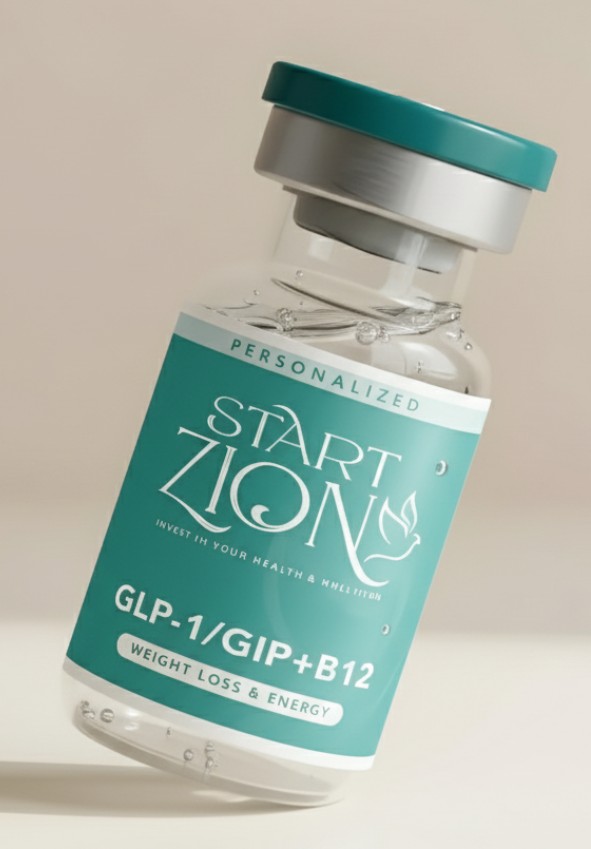

Introduction: Transforming Your GLP-1 Food Relationship A GLP-1 food relationship represents one of the most profound transformations individuals experience when using GLP-1 receptor agonist medications for weight management. For many people, decades of dieting, restriction, guilt, and obsession have damaged their natural relationship with food—turning eating from simple nourishment into source of anxiety and shame. A healthy GLP-1 food relationship isn't …

Introduction: Transforming Your GLP-1 Food Relationship
A GLP-1 food relationship represents one of the most profound transformations individuals experience when using GLP-1 receptor agonist medications for weight management.
For many people, decades of dieting, restriction, guilt, and obsession have damaged their natural relationship with food—turning eating from simple nourishment into source of anxiety and shame.
A healthy GLP-1 food relationship isn’t about following rigid rules or eliminating food groups—it’s about rediscovering the natural, peaceful connection with eating that diet culture destroyed.
GLP-1 medications create unique opportunity to rebuild this relationship from a foundation of reduced food noise, diminished cravings, and enhanced satiety signals your body may have never experienced before.
This profound shift allows you to hear your body’s true needs rather than being controlled by overwhelming hunger, emotional triggers, or obsessive food thoughts.
This comprehensive guide reveals 12 powerful strategies for cultivating a joyful, balanced GLP-1 food relationship that supports both physical health and psychological wellbeing in 2026.
Why Your GLP-1 Food Relationship Determines Long-Term Success
Your GLP-1 food relationship isn’t peripheral to weight management success—it’s absolutely central to whether changes prove temporary or permanent.
According to research published in Appetite, individuals who develop positive, flexible relationships with food demonstrate significantly better long-term weight maintenance and lower rates of weight regain compared to those maintaining restrictive, rule-based approaches.
Why your GLP-1 food relationship matters profoundly:
Sustainable Behavior Change: Punishment and restriction create rebellion and binge cycles. Enjoyment and flexibility create sustainable patterns.
Reduced Food Obsession: Healthy food relationships decrease mental preoccupation with eating, freeing cognitive resources for other life priorities.
Prevention of Disordered Eating: Rigid rules and food fear can evolve into eating disorders. Balanced relationships protect psychological health.
Enhanced Quality of Life: Food is central to culture, celebration, and social connection. Positive relationships preserve these important experiences.
Reduced Stress and Shame: Food anxiety elevates cortisol, interfering with weight management. Peaceful eating relationships reduce stress hormones.
Maintained Results: People who enjoy food within healthy parameters maintain weight loss. Those who feel deprived eventually abandon restrictive approaches.
Many users discover that combining healthy GLP-1 food relationship practices with comprehensive nutrition strategies creates synergistic benefits that enhance both physical and mental health.
The Science Behind Your GLP-1 Food Relationship
The biological mechanisms behind healthy GLP-1 food relationship development are scientifically documented and fascinating.
Research published in The American Journal of Clinical Nutrition demonstrates that GLP-1 medications reduce activity in brain regions associated with food cravings and reward-seeking while enhancing satiety signaling—creating neurological foundation for healthier eating patterns.
When you cultivate a positive GLP-1 food relationship, multiple beneficial processes occur:
Reduced Reward-Seeking: GLP-1 medications decrease activation in brain’s reward centers when viewing highly palatable foods, reducing obsessive food thoughts.
Enhanced Satiety Signaling: Stronger fullness signals allow you to recognize true satisfaction rather than eating past comfortable fullness.
Decreased Emotional Eating Triggers: Reduced food noise creates space to address emotions directly rather than numbing with food.
Normalized Hunger Patterns: For many people, GLP-1 therapy represents the first time experiencing normal, manageable hunger rather than overwhelming urges.
Improved Interoceptive Awareness: Better connection with internal body signals (hunger, fullness, satisfaction) supports intuitive eating.
These neurological changes create unprecedented opportunity to rebuild your GLP-1 food relationship on foundation of genuine body awareness rather than external rules and restrictions.
12 Powerful Strategies for Transforming Your GLP-1 Food Relationship
1. Release Diet Mentality Language
Language shapes thoughts, which shape behaviors—transforming your GLP-1 food relationship begins with changing how you talk about food.
Diet mentality language (undermines healthy relationships):
- “Good” foods vs. “bad” foods
- “Cheat” meals or days
- “Earning” food through exercise
- “Clean” eating vs. “dirty” eating
- “On plan” vs. “off plan”
- “Allowed” or “forbidden” foods
Healthy GLP-1 food relationship language:
- Nourishing vs. less nourishing (no moral judgment)
- All foods fit in appropriate portions and frequencies
- Food choices based on how they make you feel physically
- Eating that honors your body and health goals
- Flexible eating within general health-supporting patterns
- Permission to enjoy all foods mindfully
This linguistic shift removes moral judgment from eating, dramatically reducing guilt and shame that damage your GLP-1 food relationship.
Food is food—some choices better support health goals than others, but no food makes you “good” or “bad” as a person.
2. Practice Unconditional Permission to Eat
One of the most counterintuitive yet powerful strategies for healthy GLP-1 food relationship development is giving yourself unconditional permission to eat all foods.
Why permission matters:
Restriction creates psychological reactance—the more forbidden something is, the more desperately you want it.
This restriction-rebellion cycle creates binge eating, guilt, and damaged food relationships.
How to implement:
Remove foods from “forbidden” category mentally and practically.
If certain foods trigger overconsumption initially, recognize this as normal response to previous restriction—it typically decreases with consistent permission.
The paradox of permission:
When you truly know you can have a food anytime, its power over you diminishes dramatically.
Former “trigger foods” become ordinary when consistently available without guilt.
Working with GLP-1 medications:
Reduced appetite from GLP-1 therapy creates ideal conditions for practicing permission.
With diminished cravings and enhanced satiety, you can experiment with previously “forbidden” foods and discover you’re genuinely satisfied with smaller amounts.
This transforms your GLP-1 food relationship from one of deprivation and rebellion to one of choice and satisfaction.
Understanding weight management principles helps contextualize why permission doesn’t equal overconsumption.
3. Cultivate Mindful Eating Awareness
Mindful eating forms the cornerstone of healthy GLP-1 food relationship development.
What mindful eating means:
Paying full attention to the eating experience—tastes, textures, aromas, satisfaction levels—without distraction or judgment.
Mindful eating practices:
Before eating:
- Check in with hunger levels (1-10 scale)
- Identify physical hunger vs. emotional eating triggers
- Consider what would truly satisfy you right now
During eating:
- Remove distractions (phone, TV, computer)
- Eat slowly, putting utensils down between bites
- Notice flavors, textures, temperatures
- Check in periodically with fullness levels
- Stop when comfortably satisfied, not stuffed
After eating:
- Notice how foods make you feel physically
- Avoid judgment about choices made
- Use information to inform future choices
How GLP-1 enhances mindful eating:
Reduced food noise allows you to actually hear your body’s signals.
Enhanced satiety means you can stop at comfortable fullness rather than needing to eat to uncomfortable fullness to feel satisfied.
This creates positive feedback loop—mindful eating becomes easier and more rewarding, strengthening your GLP-1 food relationship naturally.
4. Honor Hunger and Respect Fullness
Learning to honor genuine hunger while respecting comfortable fullness transforms your GLP-1 food relationship profoundly.
Hunger-fullness scale:
1-2: Excessively hungry, possibly dizzy, irritable, difficulty concentrating 3-4: Moderately hungry, stomach growling, ready to eat 5-6: Neutral, neither hungry nor full 7-8: Comfortably satisfied, could stop eating 9-10: Uncomfortably full, stuffed, regretful
Optimal eating window:
Start eating at 3-4 (moderately hungry) Stop eating at 7-8 (comfortably satisfied)
Why this matters for GLP-1 food relationship:
Many people have spent years overriding hunger signals (skipping meals for diets) and fullness signals (eating everything on plate regardless of satiety).
GLP-1 medications often normalize these signals for the first time in years.
Learning to trust signals:
Pay attention to how different hunger and fullness levels feel in your body.
Practice stopping at comfortable satisfaction even if food remains—your body’s signals matter more than cleaning your plate.
Allow yourself to eat when genuinely hungry rather than adhering to rigid meal schedules if hunger doesn’t align.
This trust-building process repairs your GLP-1 food relationship by prioritizing internal body wisdom over external rules.
5. Separate Emotions From Eating
Emotional eating damages food relationships when eating becomes primary coping mechanism for difficult feelings.
Common emotional eating triggers:
- Stress and overwhelm
- Boredom and restlessness
- Loneliness and isolation
- Sadness and grief
- Anxiety and worry
- Anger and frustration
- Celebration and joy (not problematic unless excessive)
Distinguishing physical from emotional hunger:
Physical hunger:
- Develops gradually over hours
- Satisfied by variety of foods
- Stops when physically full
- No guilt afterward
Emotional hunger:
- Comes on suddenly
- Craves specific comfort foods
- Continues past physical fullness
- Often accompanied by guilt
Alternative coping strategies:
Build toolbox of non-food emotional regulation techniques:
- Movement (walking, stretching, dancing)
- Creative expression (journaling, art, music)
- Social connection (calling friend, texting support person)
- Mindfulness (meditation, breathing exercises)
- Self-soothing (bath, massage, pleasant scents)
- Problem-solving (addressing issue causing emotion)
GLP-1 medications and emotional eating:
Reduced food noise creates mental space to recognize emotional eating patterns.
With less overwhelming hunger, you can pause and choose coping strategies rather than automatically reaching for food.
This strengthens your GLP-1 food relationship by allowing food to serve its primary purpose—nourishment—while developing healthier emotional regulation tools.
Working with health professionals can provide additional support for addressing emotional eating patterns.
6. Rediscover Food Enjoyment
Diet culture teaches that healthy eating must be joyless—a destructive myth that damages your GLP-1 food relationship.
Permission to enjoy food:
Pleasure from eating is normal, healthy, and important.
Food serves nutritional purposes AND provides sensory pleasure, cultural connection, and life enjoyment.
Ways to enhance food enjoyment:
Explore diverse cuisines: Try new recipes, restaurants, ingredients from various culinary traditions.
Prioritize quality: Choose foods you genuinely enjoy rather than forcing yourself to eat “diet foods” you dislike.
Make meals appealing: Present food attractively, use nice dishes, create pleasant eating environments.
Share meals socially: Food connects people. Enjoy meals with loved ones when possible.
Slow down and savor: Rushing through meals prevents full enjoyment. Take time to appreciate flavors.
How GLP-1 enhances enjoyment:
With reduced appetite, you can focus on quality over quantity.
Smaller portions of truly delicious, satisfying foods often provide more pleasure than large volumes of mediocre options.
Enhanced taste perception some users experience makes food more enjoyable, not less.
This transforms your GLP-1 food relationship from deprivation to intentional selection of genuinely pleasurable, nourishing options.
7. Gentle Nutrition Without Rigidity
Nutrition knowledge supports health, but rigid nutrition rules damage food relationships.
Gentle nutrition principles:
Focus on overall patterns, not individual meals: One meal or day doesn’t determine health outcomes. Consistent patterns over weeks and months matter.
Add before subtracting: Focus on adding nourishing foods rather than eliminating foods you enjoy.
Flexibility over perfection: Allow room for pleasure foods, cultural foods, celebration foods within generally health-supporting pattern.
Body signal priority: Honor hunger, fullness, and satisfaction even if they don’t align perfectly with nutrition “rules.”
Individual variation: Your optimal nutrition is personal—influenced by activity level, health conditions, preferences, and medication effects.
Practical gentle nutrition for GLP-1 food relationship:
- Prioritize protein at meals to support muscle preservation and satiety
- Include variety of colorful vegetables and fruits for nutrients and fiber
- Choose mostly whole grains over refined grains
- Include healthy fats for hormone production and nutrient absorption
- Stay adequately hydrated throughout the day
- Allow treats and pleasure foods in amounts that feel satisfying without discomfort
This balanced approach supports both physical health and positive GLP-1 food relationship.
Connecting with nutrition expertise helps you develop personalized gentle nutrition approach.
8. Challenge Food Rules and Beliefs
Most people carry unconscious food rules absorbed from diet culture that damage their GLP-1 food relationship.
Common food rules to examine:
- “Don’t eat after 7 PM”
- “Carbs are bad”
- “Breakfast is mandatory”
- “Snacking is wrong”
- “Eat every 2-3 hours to boost metabolism”
- “Never waste food”
- “Clean your plate”
- “Dessert must be earned”
Rule examination process:
Identify: What food rules do you follow without questioning?
Question: Where did this rule come from? Is it actually true? Does it serve your wellbeing?
Experiment: What happens if you break this rule? Do predicted negative consequences actually occur?
Keep or release: Maintain practices that genuinely serve you; release arbitrary rules that create stress without benefit.
Example rule examination:
Rule: “Don’t eat after 7 PM”
Questioning: This came from diet culture myth about nighttime eating causing weight gain. Research shows total daily intake and food quality matter more than timing. My schedule means I’m often hungry at 8 PM.
Experiment: Eat balanced dinner at 8 PM when hungry and notice results.
Conclusion: Eating when genuinely hungry—regardless of time—supports better sleep and reduces next-day overeating. This rule doesn’t serve me.
Releasing arbitrary rules transforms your GLP-1 food relationship from rule-following to body-listening.
9. Develop Food Neutrality
Food neutrality means viewing all foods as morally equivalent—some support health goals better than others, but none are inherently “good” or “bad.”
Moving from moralization to neutrality:
Instead of: “I was bad today—I ate pizza” Practice: “I chose pizza today because it sounded good and I enjoyed it”
Instead of: “I’m being good—I’m only eating salad” Practice: “Salad sounds appealing and nourishing right now”
Instead of: “I cheated on my diet” Practice: “I made a choice that doesn’t align with my usual pattern—that’s okay and doesn’t define me”
Benefits of food neutrality:
Removes guilt and shame that trigger restriction-binge cycles.
Allows rational decision-making about food choices rather than emotional reactivity.
Reduces food obsession—when food isn’t morally loaded, it occupies less mental space.
Supports sustainable, balanced eating patterns rather than extreme swings.
GLP-1 medications and neutrality:
Reduced cravings make neutrality easier to practice—foods lose their overwhelming power.
You can genuinely ask “What sounds good and nourishing right now?” rather than fighting intense cravings or rigid rules.
This creates calm, balanced GLP-1 food relationship based on genuine preference rather than deprivation and rebellion.
10. Practice Body Trust
Trusting your body represents fundamental shift in your GLP-1 food relationship.
What body trust means:
Believing your body sends reliable signals about hunger, fullness, and nutritional needs when you listen without judgment.
Rebuilding trust after dieting:
Years of dieting teach distrust—override hunger, ignore fullness, follow external rules rather than internal wisdom.
Rebuilding trust takes time and practice.
Body trust practices:
Honor hunger promptly: When genuinely hungry, eat. Don’t make yourself wait to “earn” food or follow arbitrary meal timing.
Respect fullness: Stop when comfortably satisfied even if food remains or you “should” eat more.
Choose satisfying foods: Select foods that genuinely satisfy rather than forcing yourself to eat what you “should.”
Notice patterns: Pay attention to how different foods and eating patterns make you feel physically and emotionally.
Adjust based on feedback: Use body information to inform future choices without judgment.
GLP-1 medications as trust-building opportunity:
For many users, GLP-1 therapy represents first time experiencing normalized hunger and satiety signals.
This creates unique opportunity to build body trust from foundation of reliable signals rather than dysregulated appetite.
As you practice listening and responding, trust deepens—transforming your GLP-1 food relationship into genuine partnership with your body.
11. Navigate Social Eating With Confidence
Social situations often trigger food anxiety that damages your GLP-1 food relationship.
Common social eating challenges:
- Pressure from others to eat more
- Foods available don’t align with preferences
- Anxiety about being judged for choices
- Difficulty honoring hunger/fullness in group settings
- All-or-nothing thinking about special occasions
Confident social eating strategies:
Plan ahead: Review restaurant menus, offer to bring dish to gatherings, eat small snack before if needed.
Use diplomatic language: “I’m satisfied, thank you” rather than lengthy diet explanations.
Focus on connection: Remember social events are about people, not primarily about food.
Give yourself permission: Special occasion foods in amounts that feel good are completely fine.
Honor your body: Eat when hungry, stop when satisfied, even if differs from others.
Release food rules: One meal doesn’t determine overall health—consistency over time matters.
GLP-1 medications and social eating:
Reduced appetite makes it genuinely easier to eat moderate amounts at social events.
You can enjoy special foods in satisfying portions without overwhelming desire for excessive amounts.
This transforms your GLP-1 food relationship during social situations from anxiety to ease.
Understanding lifestyle integration helps navigate social eating confidently.
12. Practice Self-Compassion Around Food
Perhaps most critically, self-compassion forms the foundation of healthy GLP-1 food relationship development.
What food-related self-compassion means:
Treating yourself with kindness and understanding regarding food choices rather than harsh judgment and criticism.
Self-compassion practices:
After eating more than intended:
Self-critical response: “I’m so weak. I have no willpower. I’ll never succeed.”
Self-compassionate response: “I ate more than felt comfortable. I can explore what triggered this without judgment and return to aligned eating at my next meal. One experience doesn’t define me or determine my success.”
When craving foods that don’t align with health goals:
Self-critical: “I shouldn’t want this. What’s wrong with me?”
Self-compassionate: “It’s completely normal to want pleasurable foods. I can decide whether eating this serves me right now, and either choice is okay.”
When struggling with food relationships:
Self-critical: “I should have this figured out by now. Why is this so hard for me?”
Self-compassionate: “Rebuilding food relationships after years of dieting takes time. I’m doing my best and making progress. Struggling is part of the process, not evidence of failure.”
Why self-compassion matters:
Research consistently shows self-compassion predicts better eating behaviors and weight management than self-criticism.
Shame triggers stress eating and abandonment of healthy goals. Compassion creates resilience and sustained effort.
GLP-1 food relationship and self-compassion:
As medications reduce food noise, you can hear your inner dialogue more clearly.
Use this awareness to practice shifting from criticism to compassion, strengthening your GLP-1 food relationship through kindness.
Long-Term GLP-1 Food Relationship Success
Sustainable transformation requires evolving your food relationship beyond active weight loss into permanent lifestyle.
Maintenance phase considerations:
As you reach health goals, your GLP-1 food relationship continues evolving.
Focus shifts from active change to sustainable balance—maintaining healthy patterns while fully living life.
Key long-term practices:
Continued mindful eating: Even after reaching goals, stay attuned to hunger, fullness, and satisfaction.
Flexible consistency: Maintain generally health-supporting patterns with room for pleasure, celebration, and spontaneity.
Ongoing body trust: Continue honoring body signals rather than reverting to rigid external rules.
Regular self-reflection: Periodically assess whether eating patterns still serve your wellbeing and adjust as needed.
Maintained self-compassion: Treat yourself kindly during inevitable fluctuations and challenges.
Life integration: Food remains important part of life—cultural celebration, social connection, sensory pleasure—within balanced approach.
Your GLP-1 food relationship isn’t temporary project—it’s lifelong evolution toward peace, balance, and joy with eating.
Conclusion: Your Joyful GLP-1 Food Relationship Awaits
Transforming your GLP-1 food relationship represents one of the most valuable outcomes of using these medications—potentially more impactful than weight loss itself.
The 12 strategies in this guide provide practical tools for rebuilding peaceful, joyful connection with food after years of diet culture damage.
Start with 2-3 practices that resonate most strongly, implementing them consistently before adding additional strategies.
Your relationship with food is deeply personal—adapt these recommendations to honor your unique needs, preferences, and circumstances.
Remember that food relationship healing isn’t linear—there will be challenging days and periods of struggle.
Self-compassion during difficulties determines whether challenges become opportunities for growth or reasons for abandonment.
You deserve to enjoy food without guilt, nourish yourself without obsession, and live fully without food anxiety dominating your thoughts.
For additional support on your wellness journey and comprehensive GLP-1 food relationship guidance, explore expert resources designed to help you thrive.
Sign up for free Session!
It’s easy and free!
Check Your Eligibility
Want to transform your relationship with food while achieving health goals? Discover personalized strategies for food peace and sustainable wellness here.
Source:
Intuitive eating and weight management outcomes
GLP-1 receptor activation and food reward processing
GLP-1 receptor activation and food reward processing