
Why Satiety on GLP-1 Transforms the Weight Loss Experience Satiety on GLP-1 represents revolutionary transformation paradigm because medication mimics natural gut hormones signaling fullness eliminating chronic hunger plaguing traditional dieting, yet maximizing this pharmaceutical advantage requires understanding satiety science—protein provides strongest satiety per calorie, fiber and volume create physical fullness, meal composition affects satisfaction duration, eating pace influences fullness perception, and …
Why Satiety on GLP-1 Transforms the Weight Loss Experience
Satiety on GLP-1 represents revolutionary transformation paradigm because medication mimics natural gut hormones signaling fullness eliminating chronic hunger plaguing traditional dieting, yet maximizing this pharmaceutical advantage requires understanding satiety science—protein provides strongest satiety per calorie, fiber and volume create physical fullness, meal composition affects satisfaction duration, eating pace influences fullness perception, and strategic combination of medication’s physiological effects with optimal nutrition choices creates unprecedented satisfaction enabling sustainable caloric deficit without willpower battles or chronic deprivation.
If you’re using GLP-1 medications while still experiencing hunger despite appetite suppression, eating small nutrient-poor meals leaving you unsatisfied hours later, struggling with evening cravings suggesting inadequate daytime satiety, or believing medication alone determines fullness without recognizing how food choices dramatically affect satisfaction quality and duration, you’re missing how strategic satiety on GLP-1 optimization amplifies medication benefits through complementary nutrition creating superior fullness, extended satisfaction, reduced cravings, and effortless adherence compared to relying on pharmaceutical intervention alone.
The critical importance of mastering satiety on GLP-1 extends beyond immediate hunger management into building sustainable eating patterns and psychological relationship with food. While GLP-1 medications suppress appetite physiologically, optimal transformation combines this with satiety-optimizing food choices—high-protein meals providing sustained fullness, adequate fiber creating physical stomach distension, appropriate meal composition balancing macronutrients, and mindful eating pace allowing satiety signals to register—collectively creating eating experience where satisfaction occurs naturally with appropriate portions rather than requiring constant vigilance or willpower to avoid overeating.
Research published in American Journal of Clinical Nutrition demonstrates that protein significantly increases satiety compared to carbohydrates or fats, with high-protein meals reducing subsequent calorie intake by 135 calories at next meal and improving fullness ratings substantially, and that combining protein with fiber and volume creates synergistic satiety effects. For individuals using GLP-1 for weight management, satiety on GLP-1 mastery means understanding protein’s satiety dominance, utilizing volume and fiber strategically, composing meals for maximum satisfaction, eating mindfully enhancing fullness perception, leveraging medication signals effectively, and building sustainable patterns ensuring consistent comfortable adherence.
Protein: The Ultimate Satiety Powerhouse
Why Protein Satisfies Most
Biological Mechanisms:
Scientific satiety on GLP-1:
Thermic Effect of Food:
- Protein requires 20-30% calories for digestion
- Carbs require 5-10%
- Fats require 0-3%
- Protein “costs more” metabolically
- Increases energy expenditure
Hormone Signaling:
Physiological satiety on GLP-1:
- Protein stimulates satiety hormones
- CCK (cholecystokinin) release
- GLP-1 natural secretion
- PYY (peptide YY) activation
- Multiple fullness signals
Slower Gastric Emptying:
- Protein stays in stomach longer
- Extended fullness duration
- Delayed hunger return
- Sustained satisfaction
- Physical mechanism
Blood Sugar Stability:
Metabolic satiety on GLP-1:
- Protein prevents blood sugar spikes/crashes
- Stable energy levels
- Reduced cravings
- Consistent satiety
- Appetite regulation
Practical Protein Application
Meal Construction:
Strategic satiety on GLP-1:
Protein-First Priority:
- 30-50g protein per meal
- Largest portion on plate
- Eat protein before anything else
- Non-negotiable foundation
- Satiety optimization
Examples:
Satisfying satiety on GLP-1:
Breakfast:
- 4 scrambled eggs (24g) + 2 turkey sausages (14g) = 38g protein
- Extended morning satiety
- No mid-morning hunger
- Energy stability
Lunch:
- 8 oz grilled chicken (60g protein) + vegetables
- Afternoon fullness sustained
- Evening hunger prevented
- Optimal satiety
Dinner:
- 6-8 oz protein (40-60g) + vegetables
- Evening satisfaction
- Prevents late-night cravings
- Consistent pattern
Studies confirm protein superior for satiety and weight loss.
Volume and Fiber for Physical Fullness
Stomach Distension
Physical Satiety:
Volume-based satiety on GLP-1:
Large Volume, Low Calorie:
- Vegetables provide bulk
- Minimal calories
- Physical stomach fullness
- Visual plate satisfaction
- Complementary to protein
Fiber Content:
Filling satiety on GLP-1:
- Slows digestion
- Creates bulk
- Prolongs fullness
- 25-30g daily target
- Essential component
Water-Rich Foods:
- Vegetables high water content
- Increases volume without calories
- Cucumbers, lettuce, tomatoes
- Physical fullness
- Hydration bonus
High-Volume Strategies
Maximizing Fullness:
Abundant satiety on GLP-1:
Salad Base:
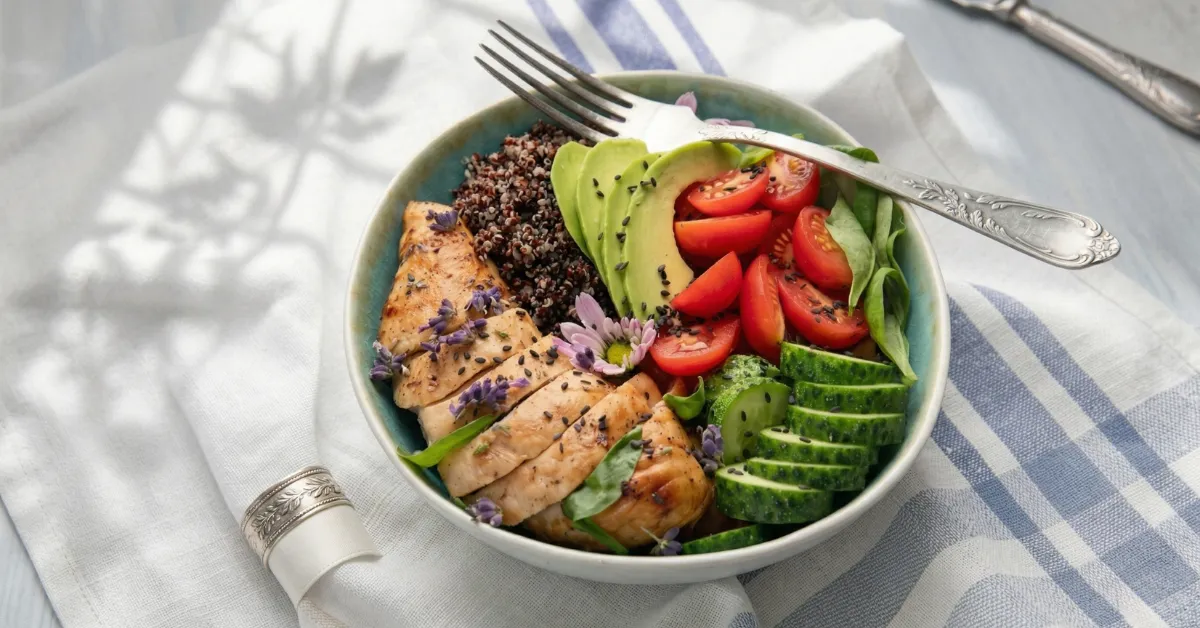
- Large mixed greens salad
- 2-3 cups vegetables
- Top with protein (8 oz chicken)
- Massive plate, moderate calories
- Physical and visual satisfaction
Vegetable Emphasis:
Generous satiety on GLP-1:
- Half plate vegetables always
- Steamed, roasted, raw
- Unlimited essentially
- Creates fullness
- Nutrient density
Soup Addition:
- Broth-based vegetable soup
- Before meal
- Increases total volume consumed
- Enhances satiety
- Strategic starter
Cauliflower Rice:
- Replaces regular rice
- Much larger volume, fewer calories
- Satisfying portions
- Visual abundance
- Smart substitution
Meal Composition Strategies That Satisfy
Macronutrient Balance
Optimal Ratios:
Balanced satiety on GLP-1:
Protein Priority (40-50% calories):
- Highest satiety macronutrient
- Foundation of every meal
- 30-50g per meal
- Non-negotiable
- Drives satisfaction
Healthy Fats (20-30% calories):
Complementary satiety on GLP-1:
- Slows digestion further
- Adds palatability
- Small amounts sufficient
- Olive oil, avocado, nuts
- Moderate inclusion
Carbohydrates (20-30% calories):
- Fiber-rich vegetables primarily
- Minimal refined carbs
- Support not foundation
- Appropriate amounts
- Strategic choices
Meal Timing and Frequency
Satiety Through Timing:
Scheduled satiety on GLP-1:
Regular Meal Spacing:
- 3-4 meals daily
- Consistent timing
- Prevents extreme hunger
- Predictable satisfaction
- Sustainable pattern
Skipping Meals Risk:
Cautionary satiety on GLP-1:
- GLP-1 suppresses hunger
- Easy to skip meals
- Leads to inadequate protein
- Evening hunger overwhelming
- Scheduled eating better
Breakfast Importance:
- Sets satiety tone
- Protein-rich morning meal
- Reduces day-long hunger
- Energy stability
- Foundation meal
Eating Pace and Mindfulness Enhancement
Slow Eating Benefits
Time for Signals:
Mindful satiety on GLP-1:
20-Minute Minimum:
- Satiety hormones require time
- Signals reach brain gradually
- Fast eating overrides fullness
- Slow pace allows recognition
- Critical practice
Practical Strategies:
Deliberate satiety on GLP-1:
- Put fork down between bites
- Chew thoroughly (20-30 times)
- Conversation during meals
- Mindful attention to food
- Intentional slowing
Satiety Signal Recognition:
- Comfortable fullness feeling
- GLP-1 enhances this signal
- Honor when it arrives
- Stop eating appropriately
- Trust medication feedback
Mindful Eating Practices
Present-Moment Awareness:
Conscious satiety on GLP-1:
Eliminate Distractions:
- No phone or TV
- Focus on food
- Notice flavors, textures
- Satisfaction from awareness
- Enhanced fullness perception
Sensory Engagement:
Experiential satiety on GLP-1:
- Visual appreciation
- Aroma notice
- Taste savoring
- Texture attention
- Complete experience
Gratitude:
- Appreciation for food
- Mindful consumption
- Psychological satisfaction
- Beyond physical fullness
- Holistic approach
Research shows mindful eating improves satiety and reduces overeating.
Leveraging GLP-1 Satiety Signals Effectively
Understanding Medication Effects
Physiological Mechanism:
Medication-enhanced satiety on GLP-1:
How GLP-1 Works:
- Mimics natural gut hormone
- Slows gastric emptying
- Enhances satiety signaling
- Reduces appetite centrally
- Multiple pathways
Unique Advantage:
Pharmaceutical satiety on GLP-1:
- Eliminates chronic hunger
- Revolutionary for weight loss
- Enables comfortable deficit
- Sustainable long-term
- Game-changing benefit
Clear Signals:
- Obvious fullness
- Early satisfaction
- Extended between-meal contentment
- Reduced food thoughts
- Powerful feedback
Honoring Satiety Cues
Listening to Body:
Responsive satiety on GLP-1:
Stop When Satisfied:
- Not when plate empty
- Not by planned amount
- When comfortably full
- Medication provides clarity
- Trust the signal
Avoiding Overeating:
Protective satiety on GLP-1:
- GLP-1 prevents most overeating
- Discomfort if eating beyond satiety
- Honor fullness signals
- Prevents unpleasant consequences
- Natural regulation
Between-Meal Contentment:
- Reduced snacking urges
- Extended satisfaction
- Comfort with moderate portions
- Medication advantage
- Leveraged fully
Building Sustainable Satisfying Eating Patterns
Long-Term Strategies
Consistency:
Sustainable satiety on GLP-1:
Meal Template:
- Protein (30-50g)
- Vegetables (1-2 cups)
- Healthy fat (small amount)
- Optional carb (minimal)
- Repeatable pattern
Simple Repetition:
Practical satiety on GLP-1:
- Same breakfast daily
- 3-4 lunch rotations
- 3-4 dinner rotations
- Reduces decisions
- Consistent satisfaction
Batch Preparation:
- Sunday meal prep
- Week’s proteins ready
- Vegetables prepped
- Grab-and-eat convenience
- Sustained adherence
Satisfaction Beyond Food
Holistic Approach:
Comprehensive satiety on GLP-1:
Psychological Needs:
- Food sometimes fills emotional needs
- Identify true needs
- Alternative fulfillment
- Stress management
- Relationship health
Life Satisfaction:
Broader satiety on GLP-1:
- Purpose and meaning
- Social connection
- Physical activity
- Creative expression
- Beyond eating
Balanced Perspective:
- Food provides nutrition and pleasure
- Not sole satisfaction source
- Holistic life approach
- Sustainable transformation
- Complete wellbeing
Frequently Asked Questions About Satiety on GLP-1
Why do I still feel hungry on GLP-1?
Troubleshooting satiety on GLP-1: ensure adequate protein every meal (30-50g minimum), include sufficient fiber and volume through vegetables, check meal timing consistency (not skipping meals), assess if true hunger versus emotional eating, and medication may need dosage adjustment (consult provider.
What foods are most satisfying?
Optimal satiety on GLP-1 foods: lean proteins provide highest satiety (chicken, turkey, fish, eggs, Greek yogurt), combined with high-volume low-calorie vegetables, moderate healthy fats, and fiber-rich choices creating sustained fullness on minimal calories.
How much protein do I need for satiety?
Satiety on GLP-1 protein targets: 30-50g protein per meal (ideal for satisfaction), distribute across 3-4 meals daily, total 1.0-1.2g per pound ideal weight, adequate protein creates sustained fullness, and insufficiency causes persistent hunger.
Can I eat less because I’m not hungry?
Cautious satiety on GLP-1 approach: medication suppresses hunger but nutritional needs unchanged, ensure hitting protein targets despite reduced appetite, schedule meals preventing inadequacy, muscle preservation requires protein regardless of hunger, and adequate nutrition critical despite reduced appetite.
Why am I hungry in evening?
Evening satiety on GLP-1 assessment: evaluate daytime protein adequacy (likely insufficient if evening hungry), ensure consistent meal timing, assess total daily intake, consider earlier dinner timing, and evening hunger often signals inadequate daytime nutrition.
Does eating slowly really matter?
Pacing satiety on GLP-1 importance: yes, satiety signals require 20 minutes to register, fast eating bypasses fullness recognition, slow deliberate eating enhances satisfaction, allows medication signals to work optimally, and critical for preventing overeating despite reduced capacity.
How do I maximize medication satiety benefits?
Optimizing satiety on GLP-1 effectiveness: combine medication with high-protein meals, add volume through vegetables, eat slowly and mindfully, honor fullness signals consistently, avoid skipping meals, and strategic nutrition amplifies pharmaceutical benefits.
What if I’m never hungry anymore?
Extreme satiety on GLP-1: still eat scheduled protein-rich meals (nutritional needs persist), muscle preservation requires adequate protein regardless of appetite, consult provider if appetite completely absent, and may indicate dosage adjustment needed.
Conclusion: Strategic Satiety Amplifies GLP-1 Success
Satiety on GLP-1 optimization creates unprecedented satisfaction through combining medication’s physiological appetite suppression with strategic nutrition—prioritizing protein providing strongest satiety per calorie, adding volume and fiber creating physical fullness, composing meals balancing macronutrients optimally, eating slowly allowing satiety signals to register, and honoring medication-enhanced fullness cues. While GLP-1 medications eliminate chronic hunger revolutionizing weight loss experience, maximizing satisfaction requires complementary food choices amplifying pharmaceutical benefits creating comfortable sustainable caloric deficit without deprivation.
Key Takeaways:
- Prioritize protein for satiety (30-50g per meal strongest fullness)
- Add volume through vegetables (physical fullness, minimal calories)
- Compose meals protein-first (foundation of satisfaction)
- Eat slowly mindfully (20 minutes minimum, honor signals)
- Leverage GLP-1 clear fullness feedback (trust medication signals)
- Schedule consistent meals (prevents extreme hunger)
- Combine medication with strategic nutrition (synergistic satisfaction)
By mastering satiety on GLP-1—understanding protein’s satiety dominance, utilizing volume and fiber strategically, composing meals for maximum satisfaction, eating mindfully enhancing fullness perception, leveraging medication signals effectively, and building sustainable satisfying patterns—you amplify pharmaceutical benefits exponentially, create comfortable adherence without willpower battles, and prove that optimal transformation combines medication’s revolutionary appetite suppression with strategic nutrition maximizing every dimension of satisfaction.
Your transformation thrives through strategic satiety. Prioritize protein, add volume, eat mindfully, and discover that satisfaction makes success effortless.
Sign up for free Session!
It’s easy and free!
Check Your Eligibility
Want to maximize your GLP-1 results with personalized satiety strategies and comprehensive nutrition support? Get expert guidance for optimal satisfaction and transformation success. Start your journey here.
Source:
Dietary protein, weight loss, and weight maintenance
Protein, weight management, and satiety
Salad and satiety: energy density and portion size of a first-course salad affect energy intake at lunch
Eating attentively: a systematic review and meta-analysis of the effect of food intake memory and awareness on eating
Protein, weight management, and satiety
Salad and satiety: energy density and portion size of a first-course salad affect energy intake at lunch
Eating attentively: a systematic review and meta-analysis of the effect of food intake memory and awareness on eating