
Introduction: Building Your GLP-1 Pantry Essentials Foundation GLP-1 pantry essentials form the foundation of sustainable, stress-free healthy eating for individuals using GLP-1 receptor agonist medications. A strategically stocked kitchen with the right GLP-1 pantry essentials eliminates decision fatigue, reduces food waste, and makes nutritious eating effortless despite reduced appetite. GLP-1 pantry essentials aren't about restriction or complicated specialty foods—they're about keeping …
Introduction: Building Your GLP-1 Pantry Essentials Foundation
GLP-1 pantry essentials form the foundation of sustainable, stress-free healthy eating for individuals using GLP-1 receptor agonist medications.
A strategically stocked kitchen with the right GLP-1 pantry essentials eliminates decision fatigue, reduces food waste, and makes nutritious eating effortless despite reduced appetite.
GLP-1 pantry essentials aren’t about restriction or complicated specialty foods—they’re about keeping versatile, nutrient-dense ingredients that support your body’s transformed needs while fitting seamlessly into real life.
When your kitchen contains the optimal GLP-1 pantry essentials, creating satisfying meals becomes intuitive rather than overwhelming, even on busy days when cooking motivation is minimal.
This comprehensive guide reveals the 20 ultimate GLP-1 pantry essentials that transform your kitchen into a wellness command center supporting effortless healthy eating in 2026.
Why GLP-1 Pantry Essentials Differ From Traditional Kitchen Stocking
GLP-1 pantry essentials operate on fundamentally different principles than conventional pantry stocking approaches.
According to research published in Obesity Reviews, individuals using GLP-1 medications experience significant changes in appetite, taste preferences, and portion requirements—all factors that should influence ingredient selection.
Key differences in GLP-1 pantry essentials:
Protein Priority: Traditional pantries emphasize carbohydrates (pasta, rice, bread). GLP-1 pantry essentials prioritize protein sources since meeting protein needs with reduced appetite becomes challenging.
Smaller Package Sizes: Bulk buying creates waste when appetite is reduced. Strategic GLP-1 pantry essentials focus on appropriate quantities that you’ll actually consume.
Nutrient Density Focus: Every bite must deliver maximum nutrition with smaller meal volumes. GLP-1 pantry essentials emphasize nutritionally concentrated foods.
Digestive Comfort: Many GLP-1 users experience enhanced sensitivity to very greasy, sugary, or heavily processed foods. Smart pantry stocking reflects these preferences.
Versatility Requirements: With variable daily appetite, GLP-1 pantry essentials need flexibility—ingredients that work for multiple meal types and preparation methods.
Many users discover that combining proper nutrition strategies with strategic pantry stocking dramatically simplifies healthy eating.
The Science Behind Strategic GLP-1 Pantry Essentials
The biological mechanisms behind effective GLP-1 pantry essentials selection extend beyond simple convenience.
Research published in Diabetes Care demonstrates that GLP-1 medications enhance satiety signaling, slow gastric emptying, and can modify taste preferences—all factors that influence which ingredients best support your wellness journey.
When you stock appropriate GLP-1 pantry essentials, you work with these biological changes:
Protein Leverage: Your body naturally seeks adequate protein intake. Having diverse protein sources readily available satisfies this biological drive efficiently.
Blood Sugar Stability: The right GLP-1 pantry essentials support stable blood glucose, enhancing medication effectiveness and preventing energy crashes.
Reduced Food Waste: Appropriate portion sizes and versatile ingredients minimize spoilage—both economically beneficial and psychologically satisfying.
Simplified Decision-Making: Decision fatigue undermines healthy eating. Well-stocked GLP-1 pantry essentials eliminate the “what should I eat?” paralysis.
Sustained Compliance: Easy access to appropriate foods improves long-term adherence to healthy eating patterns that support medication effectiveness.
Understanding these mechanisms helps you appreciate why strategic GLP-1 pantry essentials aren’t optional luxury—they’re essential tools for sustainable success.
20 Ultimate GLP-1 Pantry Essentials
Category 1: Protein Powerhouses (GLP-1 Pantry Essentials)
1. Canned Wild-Caught Fish
Why it’s essential: Shelf-stable protein that requires zero preparation and delivers omega-3 fatty acids.
Best options:
- Wild salmon (individual pouches or small cans)
- Sardines packed in olive oil
- Chunk light tuna in water
- Mackerel
How to use: Mix with Greek yogurt or avocado for quick protein salads, add to whole grain crackers, incorporate into pasta dishes, or eat directly from the can with vegetables.
Storage tip: Rotate stock using first-in-first-out method. Unopened cans last 2-5 years but quality degrades over time.
2. Protein Powder
Why it’s essential: Rapidly addresses protein gaps when solid food feels unappealing—common with GLP-1 medications.
Best options:
- Whey protein isolate (if dairy-tolerant)
- Pea protein (plant-based option)
- Collagen peptides (additional joint and skin benefits)
How to use: Mix into smoothies, stir into oatmeal, blend into Greek yogurt, add to pancake batter, or mix with water for quick protein drink.
Quality considerations: Choose options with minimal added sugars and artificial ingredients. Look for third-party testing verification.
3. Canned Beans and Lentils
Why it’s essential: Plant-based protein plus fiber that supports digestive health and satiety.
Best options:
- Black beans
- Chickpeas (garbanzo beans)
- White beans (cannellini or great northern)
- Lentils
How to use: Rinse thoroughly to reduce sodium, add to salads, blend into hummus, incorporate into soups, or mash for bean burgers.
Pro tip: Freeze unused portions in small containers rather than refrigerating entire can—extends usability dramatically.
This aligns with meal planning strategies that emphasize protein variety and convenience.
4. Nut Butters
Why it’s essential: Protein, healthy fats, and satisfying flavor in concentrated form perfect for small portions.
Best options:
- Natural almond butter (no added sugar or oils)
- Natural peanut butter
- Cashew butter
- Sunflower seed butter (nut-free alternative)
How to use: Spread on whole grain toast, mix into oatmeal, add to smoothies, use as vegetable dip, or eat by the spoonful for quick energy.
Storage: Natural nut butters separate—stir thoroughly and refrigerate after opening to maintain quality and prevent oil rancidity.
Category 2: Whole Grains and Complex Carbohydrates
5. Quinoa
Why it’s essential: Complete protein grain that cooks quickly and provides complex carbohydrates plus fiber.
Benefits over rice: Higher protein content (8g per cup cooked vs. 4g in white rice), faster cooking time, and more versatile flavor profile.
How to use: Base for grain bowls, add to soups for substance, mix into salads, use in breakfast porridge, or substitute for rice in any recipe.
Time-saver: Cook large batch and freeze in portion-sized containers for instant additions to meals.
6. Rolled Oats
Why it’s essential: Fiber-rich breakfast base that supports digestive health and provides sustained energy.
Best options: Old-fashioned rolled oats or steel-cut oats (avoid instant packets with added sugars).
How to use: Overnight oats with Greek yogurt and protein powder, traditional cooked oatmeal, blend into smoothies for texture, add to meatballs or meatloaf as binder, or make into no-bake energy balls.
Protein boost: Always combine oats with protein source (Greek yogurt, protein powder, nuts) to balance blood sugar.
7. Whole Grain Pasta
Why it’s essential: Satisfying comfort food that provides more nutrition than refined alternatives.
Best options: Whole wheat pasta, chickpea pasta (higher protein), lentil pasta (higher protein and fiber).
Portion reality: Traditional 2-cup pasta servings are overwhelming for GLP-1 users. Stock pasta for 1/2-1 cup cooked portions, paired with substantial protein and vegetables.
Storage: Dry pasta keeps indefinitely in sealed containers. Cook extra and freeze in small portions for quick future meals.
Category 3: Healthy Fats and Oils
8. Extra Virgin Olive Oil
Why it’s essential: Heart-healthy fat that enhances flavor and nutrient absorption from vegetables.
Quality matters: Choose cold-pressed, extra virgin varieties in dark bottles for maximum antioxidant content and minimal processing.
How to use: Salad dressings, light sautéing, drizzle over cooked vegetables, finish soups and stews, or mix with balsamic vinegar for bread dipping.
Storage: Keep in cool, dark place. Olive oil degrades with heat and light exposure—don’t store near stove.
9. Nuts and Seeds
Why it’s essential: Portable protein, healthy fats, and satisfying crunch for snacks or meal additions.
Best variety pack:
- Almonds (vitamin E, magnesium)
- Walnuts (omega-3 fatty acids)
- Pumpkin seeds (zinc, magnesium)
- Chia seeds (omega-3, fiber)
- Flax seeds (omega-3, lignans)
Portion control: Pre-portion into 1-2 oz servings in small containers or bags—easy to overeat nuts despite reduced appetite.
Storage: Refrigerate or freeze nuts and seeds to prevent rancidity, especially ground flax seeds which oxidize rapidly.
10. Avocados
Why it’s essential: Creamy texture, healthy monounsaturated fats, and versatility across meal types.
Ripeness management: Buy avocados at different ripeness stages—some ready to eat, some ripening in 2-3 days, some hard for future use.
How to use: Toast topping, salad addition, smoothie ingredient for creaminess, egg scramble mix-in, or simple sliced with salt and pepper.
Waste prevention: Freeze overripe avocados as puree in ice cube trays for future smoothie use.
Understanding weight management principles helps contextualize why healthy fats matter despite common “fat-free” diet mythology.
Category 4: Canned and Jarred Vegetables
11. Canned Tomatoes
Why it’s essential: Base for countless recipes, rich in lycopene (enhanced by cooking), and shelf-stable convenience.
Best varieties:
- Diced tomatoes (versatile)
- Crushed tomatoes (soup and sauce base)
- Tomato paste (concentrated flavor)
How to use: Soup bases, pasta sauces, chili, stews, shakshuka, or quick marinara sauce.
Quality tip: Choose BPA-free cans when possible. Look for no-salt-added versions if monitoring sodium intake.
12. Roasted Red Peppers (Jarred)
Why it’s essential: Instant flavor enhancement without any preparation effort.
How to use: Blend into hummus, add to sandwiches and wraps, incorporate into pasta dishes, puree into soups, or chop into salads.
Storage: Once opened, keep refrigerated in original brine and consume within one week.
Category 5: Flavor Enhancers and Condiments
13. Low-Sodium Broth
Why it’s essential: Foundation for soups, cooking liquid for grains, and base for sauces.
Best options:
- Chicken broth (most versatile)
- Vegetable broth (plant-based option)
- Bone broth (additional protein and collagen)
How to use: Soup base, cook quinoa or rice in broth instead of water for enhanced flavor, thin sauces, or warm and drink directly for light protein intake.
Storage: Unopened cartons last months. Once opened, refrigerate and use within 5-7 days or freeze in ice cube trays for small portions.
14. Vinegars
Why it’s essential: Adds brightness and acidity to dishes without calories, enhancing flavor satisfaction.
Essential varieties:
- Apple cider vinegar (salad dressings, marinades)
- Balsamic vinegar (vegetables, strawberries, reduction sauces)
- Rice vinegar (Asian-inspired dishes)
- Red wine vinegar (general cooking)
How to use: Salad dressings, marinades, brightening soups and stews, pickling vegetables quickly, or adding to roasted vegetables.
Storage: Vinegar is self-preserving and lasts indefinitely at room temperature.
15. Herbs and Spices
Why it’s essential: Transforms simple ingredients into exciting meals without adding calories or unhealthy fats.
Essential spice cabinet for GLP-1 pantry essentials:
- Garlic powder (versatile savory seasoning)
- Onion powder (flavor base)
- Paprika (mild, smoked, or spicy varieties)
- Cumin (warming, earthy flavor)
- Chili powder (heat and complexity)
- Italian seasoning blend (oregano, basil, thyme)
- Cinnamon (sweet and savory applications)
- Turmeric (anti-inflammatory properties)
- Black pepper (freshly ground)
- Sea salt or Himalayan pink salt
Fresh herbs worth growing: Basil, cilantro, parsley, mint—windowsill herb gardens provide fresh flavor year-round.
Storage: Keep spices in cool, dark place. Replace ground spices annually for optimal flavor potency.
Category 6: Refrigerator Essentials
16. Greek Yogurt
Why it’s essential: Protein powerhouse (15-20g per serving) with probiotic benefits and incredible versatility.
Best choice: Plain, unsweetened Greek yogurt—add your own flavorings to control sugar content.
How to use: Breakfast parfaits with fruit and nuts, smoothie base, sour cream substitute, salad dressing base, marinade for chicken, or eaten plain with savory toppings.
Storage: Check expiration dates carefully. Once opened, consume within 5-7 days for optimal freshness.
17. Eggs
Why it’s essential: Affordable complete protein, quick-cooking, and suitable for any meal time.
How to use: Hard-boiled for snacks, scrambled for breakfast, added to grain bowls, made into frittatas, used in baking, or poached for elegant protein addition.
Storage: Store in original carton (not door) for longest freshness—up to 5 weeks past purchase date if refrigerated properly.
Preparation tip: Hard-boil a dozen eggs weekly for grab-and-go protein throughout the week.
18. Cheese
Why it’s essential: Concentrated protein and calcium with satisfying flavor in small portions.
Best options for GLP-1 pantry essentials:
- Part-skim mozzarella (mild, melts well)
- Sharp cheddar (intense flavor means less needed)
- Feta (salty, crumbly, Mediterranean flavor)
- Cottage cheese (high protein, versatile)
- Parmesan (flavor bomb in small quantities)
Portion awareness: Pre-portion cheese into 1 oz servings to prevent overconsumption—easy to eat beyond fullness with cheese.
Storage: Wrap cheese in parchment paper then plastic wrap to prevent drying while allowing breathing—extends freshness significantly.
This connects to broader fitness and wellness strategies that emphasize protein intake for muscle preservation during weight loss.
Category 7: Freezer Staples
19. Frozen Vegetables
Why it’s essential: Flash-frozen at peak ripeness preserves nutrition, eliminates prep work, prevents waste, and costs less than fresh.
Best varieties for GLP-1 pantry essentials:
- Broccoli florets (quick steam, roast, or stir-fry)
- Cauliflower (rice alternative, roasting, mash)
- Spinach (smoothies, egg dishes, soups)
- Mixed vegetables (convenience blend)
- Green beans (side dish, casseroles)
Quality advantage: Frozen vegetables often contain more nutrients than “fresh” produce that traveled long distances and sat in stores for days.
How to use: Steam in microwave, roast from frozen for crispy texture, add directly to soups and stews, or blend frozen spinach into smoothies.
Storage: Keep freezer at 0°F or below. Use within 8-12 months for best quality.
20. Frozen Fruit
Why it’s essential: Antioxidant-rich additions to smoothies, desserts, and breakfast without spoilage pressure.
Best varieties:
- Mixed berries (antioxidants, lower sugar than tropical fruits)
- Mango chunks (smoothie sweetness, vitamin C)
- Pineapple (digestive enzymes, vitamin C)
- Cherries (anti-inflammatory, melatonin for sleep)
How to use: Smoothie base, thaw for yogurt parfait toppings, blend partially thawed for “nice cream,” or warm for compote over oatmeal or protein pancakes.
Storage advantage: No washing, cutting, or spoilage concerns—ultimate convenience for consistent fruit intake.
Storage and Organization for GLP-1 Pantry Essentials
Proper storage and organization maximize the value of your GLP-1 pantry essentials investment.
Organization strategies:
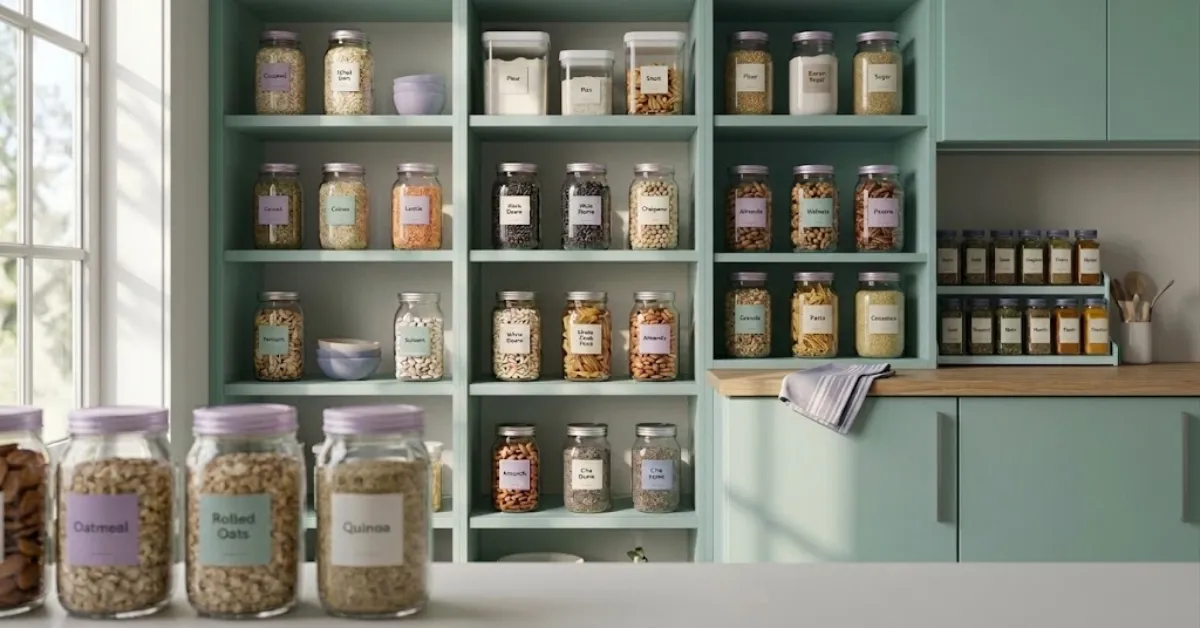
Zone your pantry: Group similar items together—proteins in one area, grains in another, canned goods together, snacks separate.
First-In-First-Out (FIFO): Place newer purchases behind older items to ensure nothing expires unused.
Clear containers: Transfer opened packages (oats, quinoa, nuts) to airtight clear containers—you’ll see what you have and maintain freshness.
Label everything: Date when opened plus “use by” date prevents guesswork about freshness.
Eye-level priority: Place most-used GLP-1 pantry essentials at eye level for easy access—reduces temptation to grab less healthy convenience foods.
Inventory list: Keep running list on your phone of pantry contents—prevents duplicate purchases and helps meal planning.
Temperature control: Store nuts, seeds, whole grain flours, and nut butters in refrigerator or freezer to prevent rancidity.
Working with health professionals can provide personalized guidance on optimizing your specific nutritional needs with these GLP-1 pantry essentials.
Budget-Friendly Strategies for Building GLP-1 Pantry Essentials
Building comprehensive GLP-1 pantry essentials doesn’t require massive upfront investment.
Money-saving approaches:
Gradual building: Add 2-3 new pantry items weekly rather than purchasing everything at once.
Store brands: Generic versions of canned goods, grains, and frozen items are virtually identical to name brands at significantly lower cost.
Sales stockpiling: Buy shelf-stable proteins (canned fish, beans) and grains in quantity when on sale—these don’t spoil.
Bulk bins: Purchase exact quantities needed of grains, nuts, and seeds from bulk sections—reduces waste and allows trying items before committing to large packages.
Seasonal frozen produce: Frozen fruits and vegetables cost the same year-round—stock up during sales.
Skip specialty “health” foods: You don’t need expensive superfoods—basic nutrient-dense whole foods deliver excellent results.
Compare unit prices: Larger isn’t always cheaper—check price per ounce especially with reduced consumption on GLP-1 medications.
Well-stocked GLP-1 pantry essentials actually save money by reducing restaurant spending, minimizing food waste, and preventing emergency convenience food purchases.
Common Questions About GLP-1 Pantry Essentials
“Do I need to buy all organic ingredients?”
Not necessarily for successful GLP-1 pantry essentials.
Prioritize organic for items where you eat the peel (berries, apples, leafy greens) and conventional is fine for thick-skinned produce and items you’ll peel.
The most important factor is eating adequate vegetables—conventional vegetables are infinitely better than no vegetables due to cost concerns.
“How long does it take to use these pantry items with reduced appetite?”
GLP-1 pantry essentials emphasize shelf-stable items specifically because reduced appetite means slower consumption.
Choose smaller package sizes when available—individual canned fish pouches instead of large cans, small bags of quinoa instead of bulk quantities.
“What if my taste preferences change on GLP-1 medication?”
Keep variety in your GLP-1 pantry essentials rather than large quantities of single items.
Having diverse options ensures something appeals even when preferences shift.
Many find enhanced appeal for simpler, less heavily seasoned foods—another reason whole-food GLP-1 pantry essentials work better than processed specialty items.
“Should I eliminate certain food categories entirely?”
These GLP-1 pantry essentials focus on nutrient-dense whole foods that work well for most people, but individual tolerances vary.
Some GLP-1 users develop aversions to very sweet foods, very fatty foods, or specific textures.
Stock items you actually enjoy eating—the “healthiest” food you won’t eat provides zero nutritional value.
“How often should I inventory and refresh pantry items?”
Review your GLP-1 pantry essentials monthly:
- Check expiration dates
- Note what you’re actually using versus what sits untouched
- Reorganize for accessibility
- Add to shopping list any depleted staples
This monthly review prevents waste and ensures your pantry continues serving your needs as they evolve.
Conclusion: Your GLP-1 Pantry Essentials Transform Daily Success
GLP-1 pantry essentials aren’t about restriction, deprivation, or complicated specialty foods—they’re about strategic preparation that makes healthy eating effortless.
When your kitchen contains the right ingredients, creating nutritious meals requires minimal decision-making, preparation time, or mental energy.
These 20 ultimate GLP-1 pantry essentials form the foundation of sustainable healthy eating that supports your medication’s effectiveness while fitting seamlessly into real life.
Start by assessing your current pantry, identifying which essential categories you’re missing, and gradually building your stock through normal shopping trips.
Within several weeks, you’ll have established comprehensive GLP-1 pantry essentials that transform “What should I eat?” from overwhelming question to simple answer.
The perfect pantry is one that serves your specific preferences, lifestyle, and nutritional needs—adapt these recommendations to create your personalized system.
For additional support on your nutrition journey and comprehensive wellness guidance, explore expert resources designed to help you thrive.
Sign up for free Session!
It’s easy and free!
Check Your Eligibility
Want to optimize your kitchen for GLP-1 success? Discover personalized nutrition strategies and wellness resources here.
Source:
Body weight changes with GLP-1 receptor agonists
GLP-1 treatment in adults with overweight or obesity
GLP-1 treatment in adults with overweight or obesity