
Why Food Storage for GLP-1 Matters Food storage for GLP-1 represents a critical yet often overlooked component of successful weight loss treatment that directly impacts your nutrition quality, food waste, budget, meal consistency, and overall adherence to healthy eating patterns. If you're using GLP-1 medications and finding yourself throwing away spoiled food, struggling with meal prep consistency, or spending excessive money …
Why Food Storage for GLP-1 Matters
Food storage for GLP-1 represents a critical yet often overlooked component of successful weight loss treatment that directly impacts your nutrition quality, food waste, budget, meal consistency, and overall adherence to healthy eating patterns. If you’re using GLP-1 medications and finding yourself throwing away spoiled food, struggling with meal prep consistency, or spending excessive money on groceries, mastering proper food storage strategies can transform your experience and significantly improve your results.
The importance of optimized food storage for GLP-1 cannot be overstated. While GLP-1 medications dramatically reduce appetite and food intake, this very benefit creates unique storage challenges: smaller portions mean food lasts longer, batch cooking becomes more practical, and proper preservation prevents waste. Without strategic storage systems, you’ll waste money on spoiled food, lack healthy options when needed, and potentially resort to less nutritious choices out of convenience.
Research published in The Journal of Food Science demonstrates that proper food storage maintains nutrient quality, prevents foodborne illness, and supports consistent healthy eating patterns. For individuals using GLP-1 for weight management, effective storage strategies ensure you always have high-protein, nutrient-dense foods available while minimizing waste and maximizing your food budget.
This comprehensive guide covers everything you need to know about food storage for GLP-1: understanding your unique needs, optimal protein preservation, vegetable and fruit storage hacks, meal prep strategies, money-saving techniques, and building a complete system that supports your weight loss success.
The Unique Food Needs During GLP-1 Treatment
Reduced Portions Change Everything
The GLP-1 Storage Reality:
Understanding food storage for GLP-1 starts with recognizing changed consumption:
Smaller Appetites Mean:
- Single serving of protein may last 2-3 meals
- Fresh produce consumption slows
- Large packages become problematic
- Food sits longer before consumption
- Greater risk of spoilage
- Need for better preservation strategies
Volume Challenges: Before GLP-1:
- Family-size portions consumed quickly
- Standard storage worked fine
- Minimal waste concerns
During GLP-1:
- Much smaller portions eaten
- Food lasts much longer
- Waste becomes significant issue
- Strategic storage essential
Planning Implications:
Effective food storage for GLP-1 requires:
- Buying smaller quantities
- Focusing on preservation
- Mastering portion control storage
- Understanding shelf life
- Preventing freezer burn
- Rotating stock effectively
This changed consumption pattern makes food storage for GLP-1 fundamentally different from typical storage needs.
Prioritizing Protein and Nutrition Density
What Matters Most:
Strategic food storage for GLP-1 emphasizes:
Protein Priority: With reduced appetite:
- Protein must be available at every meal
- Can’t waste expensive protein sources
- Need variety to prevent boredom
- Must maintain freshness and quality
- Storage becomes critical success factor
Nutrient Density: Limited intake means:
- Every bite must count nutritionally
- Fresh vegetables and fruits crucial
- Can’t afford nutrient loss from poor storage
- Quality preservation essential
- Whole foods over processed
Meal Consistency:
Good food storage for GLP-1 enables:
- Healthy options always available
- No excuse for poor choices
- Consistent protein intake
- Regular vegetable consumption
- Sustainable eating patterns
Budget Considerations
The Financial Imperative:
Food storage for GLP-1 affects your budget significantly:
Without Good Storage:
- Throw away 25-40% of purchased food
- Waste hundreds of dollars monthly
- Buy premade options (more expensive)
- Purchase smaller quantities (higher unit cost)
- Repeat shopping trips (time and money)
With Optimized Storage:
- Minimize waste to under 5%
- Buy in bulk when appropriate
- Batch cook efficiently
- Reduce shopping frequency
- Save 30-50% on food costs
Research in food waste and nutrition shows that proper storage strategies dramatically reduce waste while improving nutrition quality and budget management.
Protein Storage: Keeping Your Priority Fresh
Fresh Protein Preservation
Optimal Storage Methods:
Critical for food storage for GLP-1 success:
Refrigerator Storage:
Raw Chicken/Turkey:
- Use within 1-2 days of purchase
- Store in coldest part of fridge (back, bottom shelf)
- Keep in original packaging or wrap tightly
- Place on plate to catch drips
- Consider portioning immediately
Raw Beef/Pork:
- Use within 3-5 days
- Vacuum seal if possible (extends life)
- Store in coldest area
- Separate from other foods
Fresh Fish/Seafood:
- Use within 1-2 days maximum
- Store on ice in fridge if possible
- Keep tightly wrapped
- Smell test before consuming
Cooked Proteins:
- Use within 3-4 days
- Cool quickly before refrigerating
- Store in airtight containers
- Label with date
- Reheat thoroughly
Freezer Strategies for Protein
Long-Term Protein Storage:
Essential food storage for GLP-1 technique:
Proper Freezing Method:
Individual Portioning:
- Divide protein into meal-sized portions (4-6 oz typically)
- Wrap tightly in plastic wrap
- Place in freezer bag, remove air
- Label with contents and date
- Freeze flat for easy stacking
Vacuum Sealing:
- Best method for preventing freezer burn
- Extends freezer life significantly
- Worth investment for GLP-1 users
- Maintains quality and texture
Freezer Life:
- Chicken: 9-12 months (vacuum sealed)
- Beef: 6-12 months
- Pork: 4-6 months
- Fish: 3-6 months (fatty fish shorter)
- Cooked meals: 2-3 months
Thawing Safely:
For food storage for GLP-1 safety:
- Refrigerator thawing (24 hours, safest)
- Cold water thawing (sealed bag, change water every 30 min)
- Microwave thawing (cook immediately after)
- Never thaw on counter (bacteria risk)
Quick Freezing Tips:
- Freeze chicken breasts in marinade (flavor + protection)
- Freeze ground meat flat in bags (quick thaw)
- Pre-cook and freeze for convenience
- Label everything clearly
These protein strategies optimize food storage for GLP-1 ensuring constant availability.
Dairy and Egg Storage
Additional Protein Sources:
Important for food storage for GLP-1 variety:
Greek Yogurt:
- Check expiration dates when buying
- Store at 40°F or below
- Can freeze (texture changes but usable in smoothies)
- Use within 1-2 weeks of opening
Cottage Cheese:
- Keep refrigerated
- Use within 1 week of opening
- Store upside down to extend life (prevents air exposure)
Cheese:
- Hard cheeses last months (properly wrapped)
- Soft cheeses 1-2 weeks
- Freeze shredded cheese (works well)
- Wrap tightly to prevent drying
Eggs:
- Store in fridge (not door, temperature fluctuates)
- Use within 3-5 weeks
- Can freeze (scrambled or separated)
- Float test for freshness (old eggs float)
Vegetable and Fruit Preservation Strategies
Vegetable Storage Hacks
Maximizing Freshness:
Critical food storage for GLP-1 component:
Leafy Greens:
Spinach/Lettuce/Kale:
- Wash and completely dry (salad spinner)
- Wrap in paper towels
- Store in perforated plastic bag or container
- Refresh paper towels when damp
- Lasts 5-7 days (vs 2-3 days unwashed)
Herbs:
- Trim stems
- Place in glass with water (like flowers)
- Cover loosely with plastic bag
- Refrigerate
- Or: wash, dry, chop, freeze in ice cube trays with oil
Cruciferous Vegetables:
Broccoli/Cauliflower:
- Don’t wash until ready to use
- Store in crisper drawer
- Wrap in damp paper towel for extended life
- Or: blanch and freeze (retains nutrients)
Brussels Sprouts:
- Keep in original container or perforated bag
- Remove any yellowing leaves
- Don’t wash until use
- Lasts 3-5 days fresh
Root Vegetables:
Carrots/Celery:
- Remove green tops (draw moisture)
- Submerge in water in containers
- Change water every 2-3 days
- Lasts 2-3 weeks (crisp and fresh)
Onions/Garlic:
- Store in cool, dark, dry place (not fridge)
- Keep away from potatoes (accelerate spoilage)
- Use mesh bags for air circulation
- Lasts several weeks to months
These strategies transform food storage for GLP-1 vegetable management.
Fruit Storage Solutions
Fresh Fruit Longevity:
Berries:
Special care needed for food storage for GLP-1:
- Don’t wash until ready to eat
- Remove any moldy berries immediately
- Store in single layer if possible
- Line container with paper towel
- Or: vinegar bath (1:3 vinegar:water), dry completely, then store
- Lasts 5-7 days vs 2-3 days
Apples:
- Store in crisper drawer
- Keep away from other fruits (ethylene gas accelerates ripening)
- Don’t wash until eating
- Lasts several weeks
- Freeze sliced apples for later use
Bananas:
- Store at room temperature until ripe
- Separate from bunch (slows ripening)
- Wrap stems in plastic wrap (extends life)
- Refrigerate when ripe (skin darkens but fruit stays good)
- Freeze overripe bananas for smoothies
Citrus:
- Room temperature for 1 week
- Refrigerate for 2-4 weeks
- Store in mesh bag for air circulation
Pre-Cut Fruit:
For food storage for GLP-1 convenience:
- Squeeze lemon juice to prevent browning
- Store in airtight containers
- Use within 2-3 days
- Consider freezing for smoothies
Meal Prep and Batch Cooking Storage
Preparing Multiple Meals Efficiently
Batch Cooking Benefits:
Perfect for food storage for GLP-1:
Why Batch Cook:
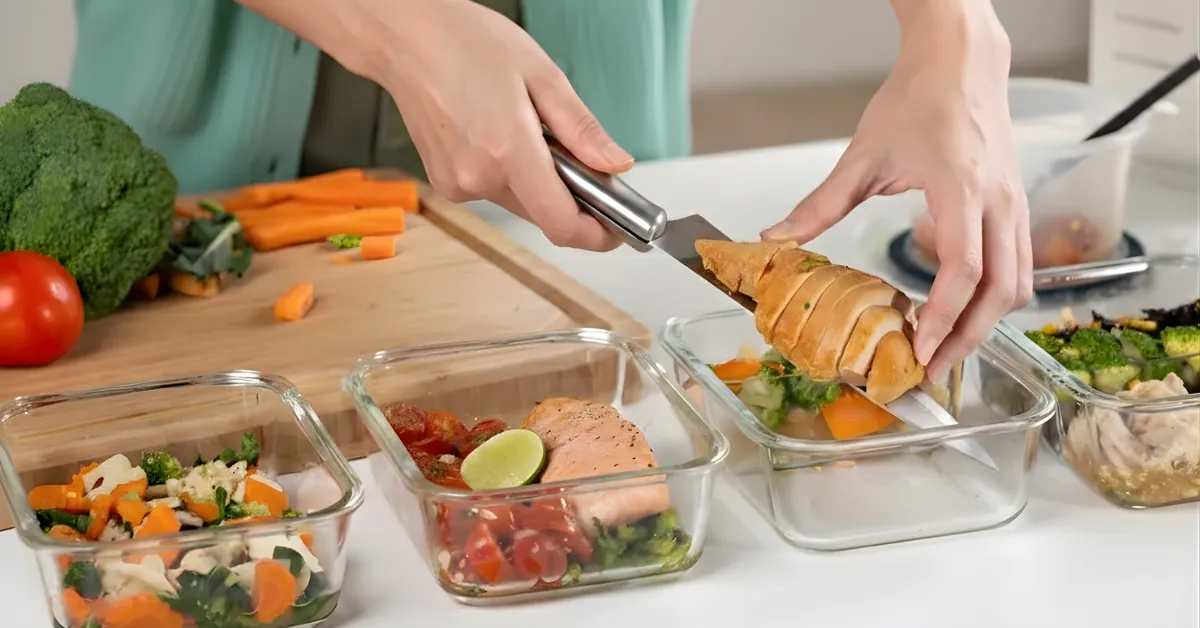
- Prepare once, eat multiple times
- Consistent healthy options available
- Reduces daily cooking burden
- Minimizes food waste
- Saves time and money
- Supports adherence to nutrition goals
Optimal Batch Cooking Schedule:
Sunday Prep Session (2-3 hours):
- Cook multiple protein sources (chicken, ground turkey, salmon)
- Roast/steam vegetables in bulk
- Prepare base carbs if using (rice, quinoa)
- Portion into individual containers
- Label with contents and date
Mid-Week Mini Prep (30 minutes):
- Refresh vegetables
- Cook additional protein if needed
- Check inventory
- Adjust for weekend
Container Selection and Organization
The Right Tools:
Essential food storage for GLP-1 equipment:
Container Types:
Glass Containers:
- Best for food safety
- Microwave and dishwasher safe
- Don’t absorb odors or stains
- See contents easily
- More expensive but worth it
- Various sizes for different portions
Meal Prep Containers:
- Portion-controlled compartments
- Stackable for space efficiency
- Disposable or reusable options
- Great for work/travel
- BPA-free plastic options
Freezer Bags:
- Reusable silicone bags preferred
- Label with permanent marker
- Freeze flat, stack when frozen
- Remove excess air
- Great for soups, stews, sauces
Organization System:
For effective food storage for GLP-1:
Fridge Organization:
- Top shelf: Ready-to-eat proteins
- Middle shelf: Prepped vegetables
- Bottom shelf: Raw proteins (prevent cross-contamination)
- Crisper: Fresh produce
- Door: Condiments, dressings (not eggs/milk)
Freezer Organization:
- Label everything clearly (item + date)
- Group by category (proteins, meals, vegetables)
- First in, first out rotation
- Keep inventory list on freezer door
- Regular cleanout (every 3 months)
This organization makes food storage for GLP-1 effortless and sustainable.
Money-Saving Food Storage for GLP-1 Tips
Strategic Buying and Storage
Maximizing Food Budget:
Buy in Bulk Smartly:
For optimal food storage for GLP-1:
When to Buy Bulk:
- Non-perishable proteins (canned tuna, salmon)
- Frozen vegetables (often more nutritious than fresh)
- Frozen fruits (perfect for smoothies)
- Proteins on sale (freeze immediately)
- Nuts and seeds (store in freezer)
Portion and Freeze:
- Divide bulk purchases into meal sizes
- Freeze same day as purchase
- Label everything
- Calculate cost per serving
- Track actual usage
Warehouse Store Strategy:
Best Purchases:
- Chicken breasts (portion and freeze)
- Ground turkey/beef (divide and freeze)
- Frozen vegetables and fruits
- Nuts and seeds
- Protein powder
Avoid:
- Huge quantities of fresh produce (unless freezing)
- Perishables you won’t use quickly
- Items just because “good deal”
Reducing Food Waste
Waste Reduction Strategies:
Critical for food storage for GLP-1 economics:
Weekly Inventory:
- Check fridge and pantry before shopping
- Use “first in, first out” principle
- Plan meals around what needs using
- Make “use it up” meals regularly
Vegetable Scrap Uses:
Make Stock:
- Save vegetable scraps in freezer bag
- Add bones from proteins
- Make nutrient-rich stock
- Freeze in portions
Smoothie Additions:
- Wilting spinach/kale
- Overripe bananas
- Soft berries
- Add to morning smoothie
Creative Repurposing:
For food storage for GLP-1 waste reduction:
- Rotisserie chicken → 3-4 meals + stock
- Overripe avocados → freeze for smoothies
- Stale nuts → blend into nut butter
- Aging herbs → make pesto, freeze in cubes
- Vegetable scraps → stock → freeze
Food Safety Guidelines:
Never compromise safety for savings:
- When in doubt, throw it out
- Follow “use by” dates
- Smell and visual test
- Don’t taste suspicious food
- Monitor fridge temperature (40°F or below)
These strategies make food storage for GLP-1 economical and sustainable.
Creating Your Complete Storage System
Setting Up for Success
Complete Implementation:
Comprehensive food storage for GLP-1 system:
Initial Setup (One-Time Investment):
Equipment Needed:
- Glass meal prep containers (various sizes)
- Freezer bags (reusable silicone preferred)
- Vacuum sealer (optional but valuable)
- Permanent marker for labeling
- Container lids that seal well
- Fridge thermometer (ensure 40°F)
Organization Tools:
- Lazy Susan for fridge
- Stackable bins for freezer
- Labels or masking tape
- Inventory clipboard/app
- Meal planning calendar
Kitchen Layout:
Optimize food storage for GLP-1:
- Designate prep area
- Stock with containers
- Create labeling station
- Organize fridge/freezer logically
- Keep frequently used items accessible
Weekly Routine
Sustainable Habits:
Sunday Routine (2-3 hours):
- Inventory current food (10 min)
- Plan week’s meals (15 min)
- Create shopping list (10 min)
- Grocery shop (45 min)
- Meal prep and storage (1-2 hours)
Daily Maintenance (5-10 min):
- Wipe down surfaces after cooking
- Wash and store containers
- Quick fridge check for spoilage
- Rotate items as needed
- Update inventory
Monthly Deep Work (30 min):
- Deep clean fridge and freezer
- Check all dates, discard expired items
- Reorganize and optimize
- Assess system effectiveness
- Adjust as needed
This routine makes food storage for GLP-1 automatic and effortless.
Frequently Asked Questions About Food Storage for GLP-1
How much food should I buy now that my appetite is reduced?
With food storage for GLP-1, buy 40-60% less fresh food than pre-treatment. Focus on smaller quantities more frequently, or bulk items you can freeze. Plan for 4-6 oz protein per meal, 1-2 cups vegetables. Adjust based on your actual consumption over first few weeks.
Can I freeze prepared meals with GLP-1?
Yes, freezing prepared meals is ideal for food storage for GLP-1. Portion into individual servings, cool completely before freezing, use within 2-3 months, and reheat thoroughly. This ensures healthy options are always available when appetite is limited and reduces daily cooking burden.
What proteins freeze best for GLP-1 meal prep?
Best proteins for food storage for GLP-1 freezing: chicken breasts, ground turkey, lean beef, pork tenderloin, most fish (especially salmon), cooked meals with protein. Vacuum seal for best quality. Pre-portion into 4-6 oz servings. Label with date and rotate stock regularly.
How do I prevent vegetables from spoiling before I can eat them?
Key food storage for GLP-1 vegetable strategies: wash and dry completely, wrap in paper towels, store in perforated bags, blanch and freeze excess, buy frozen vegetables, purchase smaller quantities more frequently. Many vegetables last 1-2 weeks with proper storage techniques.
Is it worth investing in a vacuum sealer for GLP-1?
Yes, for most people. Vacuum sealers significantly improve food storage for GLP-1 by preventing freezer burn, extending freezer life 2-3x, enabling bulk buying, and maintaining quality. Cost pays for itself in reduced waste within months. Especially valuable for protein preservation.
How can I tell if frozen food has gone bad?
Check food storage for GLP-1 frozen items for: excessive ice crystals (freezer burn), off colors (brown or gray meat), foul odor when thawed, slimy texture after thawing, and dates over recommended storage time. When unsure, discard for safety.
Should I buy fresh or frozen vegetables on GLP-1?
Both work well for food storage for GLP-1. Frozen vegetables are often more nutritious (frozen at peak), last 8-12 months, eliminate waste, cost less, and require no prep. Fresh vegetables taste better, offer variety, work for raw consumption. Use combination based on your preferences and schedule.
How do I organize my fridge for small GLP-1 portions?
Optimize food storage for GLP-1 fridge organization: use smaller containers, stack efficiently, label everything with dates, keep ready-to-eat proteins at eye level, designate zones by food type, and implement first-in-first-out rotation. Clear containers help track inventory visually.
Conclusion: Mastering Food Storage for GLP-1 Success
Food storage for GLP-1 represents a foundational skill that transforms your weight loss experience from stressful and wasteful to organized, economical, and sustainable. While GLP-1 medications provide powerful appetite suppression and metabolic benefits, proper food storage strategies ensure you maximize these benefits through consistent access to high-quality, nutritious foods while minimizing waste and controlling costs.
Key Takeaways:
- Reduced appetite requires strategic storage planning
- Proper protein preservation ensures constant availability
- Vegetable and fruit hacks extend freshness significantly
- Batch cooking with smart storage supports consistency
- Strategic buying and storage saves 30-50% on food costs
- Complete system makes healthy eating effortless
By implementing the protein storage techniques, vegetable preservation hacks, meal prep strategies, and organizational systems outlined in this guide, you create a food storage system that works seamlessly with your GLP-1 treatment, supporting optimal nutrition while eliminating the frustration of spoiled food and wasted money.
Your food storage system is your behind-the-scenes success partner—working quietly but powerfully to ensure healthy options are always available, your budget is protected, and your weight loss journey is supported with minimal daily effort.
Ready to transform your food storage and maximize your GLP-1 success? Implement these strategies and experience the difference proper organization makes.
Sign up for free Session!
It’s easy and free!
Check Your Eligibility
Want to maximize your GLP-1 results with personalized meal planning, storage strategies, and comprehensive nutritional support? Get expert guidance on optimal food preparation and complete weight loss success. Start your transformation here.
Source:
Nutritional aspects related to food storage and preparation
Effects of high-protein diets on fat-free mass and muscle protein synthesis following weight loss
Food safety and food security
Fiber and prebiotics: mechanisms and health benefits
Effects of high-protein diets on fat-free mass and muscle protein synthesis following weight loss
Food safety and food security
Fiber and prebiotics: mechanisms and health benefits