
Introduction: Understanding GLP-1 Food Textures Transformation GLP-1 food textures preferences undergo significant evolution for many individuals using GLP-1 receptor agonist medications for weight management. For people on GLP-1 therapy, changes in how foods feel, taste, and satisfy extend far beyond simple appetite reduction—they fundamentally alter sensory food experiences. GLP-1 food textures shifts aren't universal—every person experiences unique changes—but understanding common patterns …
Introduction: Understanding GLP-1 Food Textures Transformation
GLP-1 food textures preferences undergo significant evolution for many individuals using GLP-1 receptor agonist medications for weight management.
For people on GLP-1 therapy, changes in how foods feel, taste, and satisfy extend far beyond simple appetite reduction—they fundamentally alter sensory food experiences.
GLP-1 food textures shifts aren’t universal—every person experiences unique changes—but understanding common patterns helps you navigate your individual transformation with confidence rather than confusion.
Many GLP-1 users discover that previously beloved foods become unappealing while formerly ignored options suddenly satisfy deeply—these changes represent your body’s evolving preferences communicating what it needs.
Rather than fighting against changing GLP-1 food textures preferences, embracing and working with them creates more enjoyable, sustainable eating experiences that support your wellness transformation.
This comprehensive guide reveals 9 powerful strategies for adapting to evolving GLP-1 food textures preferences, ensuring continued nutritional adequacy and eating satisfaction in 2026.
Why GLP-1 Food Textures Preferences Transform
GLP-1 food textures changes occur through multiple biological mechanisms—understanding why helps you respond skillfully rather than with frustration.
According to research published in Appetite, GLP-1 receptor agonists affect taste perception, food palatability, and sensory food experiences beyond simple appetite suppression.
Why your GLP-1 food textures preferences change:
Altered Taste Perception: GLP-1 medications can modify taste bud sensitivity, making some flavors more or less intense than previously.
Changed Satiety Signals: Enhanced fullness from smaller volumes makes heavy, dense textures overwhelming rather than satisfying.
Digestive Changes: Slower gastric emptying affects how different textures feel during and after eating.
Reduced Cravings: Diminished reward-seeking for highly palatable foods changes preference for rich, complex textures.
Heightened Awareness: Reduced food noise allows you to actually notice texture preferences you previously ignored.
Neurological Shifts: GLP-1 effects on brain reward centers alter which textures trigger pleasure and satisfaction.
Individual Variation: Genetic factors, previous eating patterns, and medication dose all influence specific texture preference changes.
Many users discover that combining awareness about GLP-1 food textures with comprehensive nutrition strategies creates foundation for enjoyable, sustainable eating.
The Science Behind GLP-1 Food Textures Preferences
The biological mechanisms driving GLP-1 food textures changes are scientifically documented and fascinating.
Research published in Physiology & Behavior demonstrates that GLP-1 receptor activation affects multiple aspects of food perception including taste intensity, texture preference, and palatability assessment.
When you use GLP-1 medications, several processes affect your food texture experiences:
Reduced Reward Signaling: Decreased activation in brain regions associated with food reward changes which textures feel pleasurable.
Enhanced Satiety Sensitivity: Greater awareness of fullness makes dense, heavy textures feel uncomfortably filling.
Modified Taste Sensitivity: Some users report enhanced or diminished sensitivity to specific tastes (sweet, salty, fatty, bitter, umami).
Slower Gastric Emptying: Food stays in stomach longer, making lighter textures more comfortable than heavy, rich ones.
Changed Oral Sensory Processing: Modifications in how mouth and tongue perceive texture and temperature.
Psychological Associations: Reduced emotional eating changes which comfort food textures appeal.
These neurological and physiological shifts create unique opportunity to rebuild food relationships based on genuine body wisdom rather than conditioned preferences.
9 Powerful Strategies for Adapting GLP-1 Food Textures
1. Embrace Curiosity Over Resistance
The foundation of successfully navigating GLP-1 food textures changes is approaching shifts with curiosity rather than fighting against them.
Why curiosity matters:
Resisting texture preferences your body communicates creates unnecessary suffering and often leads to eating foods that no longer serve you.
Curiosity allows you to discover new satisfying options you might never have explored otherwise.
Practicing curiosity:
Instead of: “I used to love pasta but now it grosses me out—something’s wrong with me.”
Practice: “Interesting—pasta doesn’t appeal right now. What textures DO sound good? Let me explore options.”
Instead of: “I hate that GLP-1 changed my food preferences.”
Practice: “My body is communicating what it needs differently now. What is it trying to tell me?”
Curiosity practices:
Weekly texture exploration: Try one new food or preparation method weekly based on current preferences.
Preference journaling: Note which textures appeal and which don’t—patterns often emerge.
Mindful experimentation: Reintroduce previously loved foods periodically to see if preferences have shifted back.
Non-judgmental observation: Notice changes without labeling them good or bad—they’re simply information.
This curious, open approach transforms GLP-1 food textures changes from frustrating problem to interesting exploration.
2. Identify Your Current Texture Preferences
Understanding which GLP-1 food textures currently appeal allows you to make satisfying food choices rather than forcing textures that feel wrong.
Common texture preference patterns on GLP-1:
Increased appeal:
- Lighter, less dense foods (salads, vegetables, fruits)
- Crisp, crunchy textures (raw vegetables, certain fruits)
- Smooth, easily digestible options (yogurt, smoothies, soups)
- Simple, clean flavors without heavy sauces
- Cold or room temperature foods (versus hot, heavy meals)
Decreased appeal:
- Heavy, dense foods (thick pasta, dense breads, heavy meats)
- Very rich, fatty textures (cream sauces, fried foods, fatty cuts)
- Overly sweet or intensely flavored items
- Large portion volumes of any texture
- Very hot, steaming foods
Neutral or variable:
- Protein sources (preference may shift toward lean versus fatty)
- Grains (may prefer lighter options like quinoa over heavy pasta)
- Dairy (individual variation—some love it, others develop aversion)
Discovering your preferences:
Texture assessment questions:
When considering a food, ask:
- Does this texture sound appealing right now?
- How do I imagine this will feel in my mouth and stomach?
- Does thinking about eating this create anticipation or mild aversion?
- What texture would satisfy me most at this moment?
Preference categories to explore:
Rate your current interest (1-10) in these texture categories:
- Crunchy/crispy
- Smooth/creamy
- Chewy/dense
- Light/airy
- Liquid/semi-liquid
- Hot versus cold
- Wet versus dry
Understanding your evolving GLP-1 food textures preferences allows strategic food selection that maximizes satisfaction.
Connecting with meal planning strategies helps organize preferred textures into satisfying meal patterns.
3. Modify Cooking Methods for Preferred Textures
The same food prepared differently creates dramatically different textures—strategic cooking method selection optimizes GLP-1 food textures satisfaction.
Cooking method effects on texture:
Grilling/broiling:
- Creates crispy exterior, tender interior
- Reduces fat content
- Often appeals more than frying on GLP-1
Roasting:
- Caramelizes vegetables, creating appealing texture
- Concentrates flavors without adding heaviness
- Works well for proteins and vegetables
Steaming:
- Maintains lightness
- Preserves nutrients
- Creates tender texture without added fats
- Often well-tolerated when richer preparations aren’t
Sautéing (light):
- Quick cooking preserves texture
- Minimal oil maintains lightness
- Creates variety without heaviness
Raw preparation:
- Maximum crunch and freshness
- No added fats from cooking
- Often highly appealing on GLP-1
- Salads, raw vegetables, fresh fruits
Methods that may become less appealing:
Deep frying: Creates heavy, greasy texture many GLP-1 users avoid.
Heavy braising: Long cooking in fat creates rich texture that may feel overwhelming.
Cream-based preparations: Dairy-heavy sauces often lose appeal.
Strategic preparation modifications:
Chicken example:
- Previously enjoyed: Fried chicken with creamy gravy
- GLP-1 adaptation: Grilled chicken breast with lemon and herbs
Vegetable example:
- Previously enjoyed: Creamed spinach
- GLP-1 adaptation: Sautéed spinach with garlic and lemon
Potato example:
- Previously enjoyed: Loaded baked potato with butter, sour cream, bacon
- GLP-1 adaptation: Roasted potato cubes with herbs
Pasta example:
- Previously enjoyed: Fettuccine alfredo
- GLP-1 adaptation: Small portion zucchini noodles with marinara and grilled shrimp
These modifications maintain food enjoyment while honoring evolved GLP-1 food textures preferences.
4. Balance Texture Variety Within Meals
Including multiple complementary textures in single meals increases satisfaction and nutritional completeness with GLP-1 food textures preferences.
Why texture variety matters:
Single-texture meals become monotonous and less satisfying.
Variety stimulates different taste receptors and maintains eating interest.
Combining textures often creates more complete nutrition than single-texture meals.
Texture combination strategies:
Protein + Vegetable + Grain pattern:
Example 1:
- Protein: Grilled salmon (flaky, tender)
- Vegetable: Roasted Brussels sprouts (crispy outside, tender inside)
- Grain: Quinoa (light, slightly chewy)
- Result: Three distinct, complementary textures
Example 2:
- Protein: Baked chicken breast (tender, mild)
- Vegetable: Mixed green salad (crisp, fresh)
- Grain: Brown rice (chewy, substantial)
- Result: Varied textures prevent monotony
Bowl-style meals with texture layers:
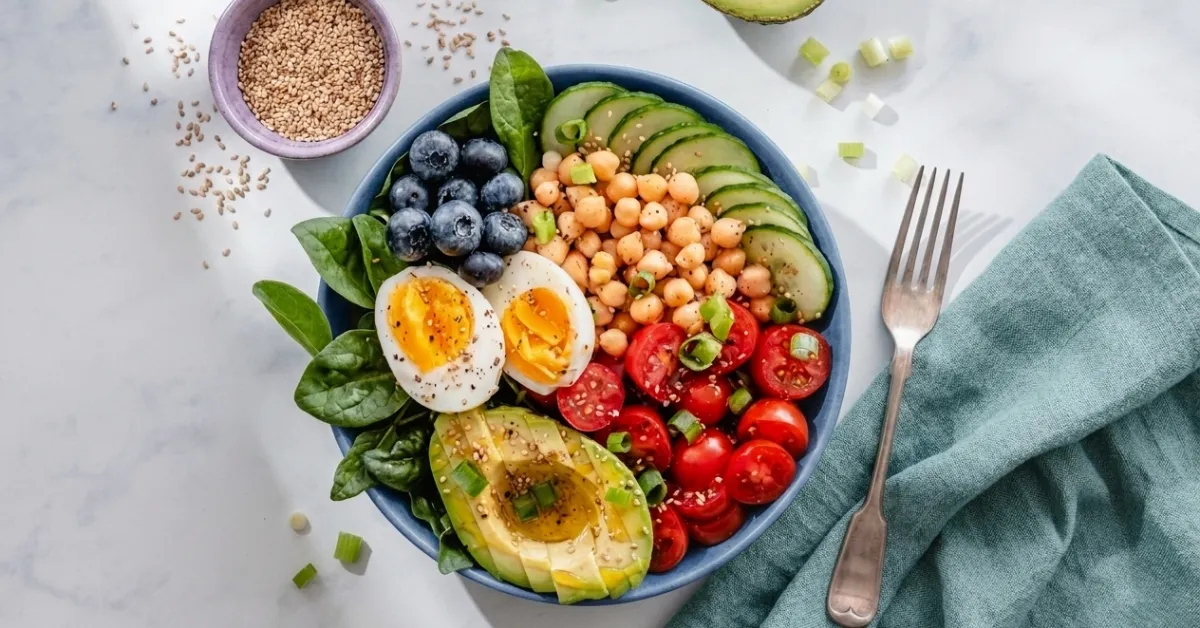
Buddha bowl example:
- Base: Mixed greens (crisp)
- Protein: Grilled tofu or chicken (firm)
- Vegetables: Roasted sweet potato (soft), raw cucumber (crunchy)
- Grain: Quinoa (light and fluffy)
- Topping: Seeds or nuts (crunchy accent)
- Dressing: Tahini or vinaigrette (smooth, ties together)
Soup with additions:
Base soup (smooth) + added proteins, vegetables, grains creates textural interest while maintaining easy digestibility.
Smoothie bowls:
Smooth base + crunchy toppings (granola, nuts, seeds) + fresh fruit provides varied GLP-1 food textures in single meal.
Balanced texture variety makes smaller portions more satisfying—critical advantage for GLP-1 users with reduced appetite.
5. Leverage Temperature for Texture Appeal
Food temperature significantly affects perceived texture and satisfaction—strategic temperature choices optimize GLP-1 food textures experiences.
Temperature and texture relationship:
Cold foods often appealing on GLP-1:
- Feel lighter and more refreshing
- Less intense aromas (helpful if smell sensitivity increases)
- Crisp textures maintained (salads, raw vegetables, fruits)
- Gentler on potentially sensitive stomachs
Cold food advantages:
- Greek yogurt parfaits
- Cold protein smoothies
- Chilled soups (gazpacho, cucumber soup)
- Fresh fruit
- Cold grain salads (quinoa, farro)
- Sushi and poke bowls
Room temperature advantages:
Often most comfortable for GLP-1 users—not too hot (overwhelming) or too cold (potentially jarring).
Examples:
- Room temperature grilled chicken
- Mediterranean mezze plates
- Cheese and fruit boards
- Grain bowls served at room temperature
Strategic use of hot foods:
Some GLP-1 users continue enjoying warm foods while others develop preference for cooler options.
When hot foods appeal:
- Choose broth-based soups over cream-based
- Prefer steamed or lightly sautéed vegetables over heavy preparations
- Enjoy warm proteins but lighter sides
- Appreciate warmth for psychological comfort even if portions are smaller
When hot foods lose appeal:
Common pattern: hot, steaming, aromatic foods feel overwhelming while same foods at room temperature or cold feel manageable.
Solution: Allow hot foods to cool to comfortable temperature, or choose room temperature preparations.
Individual GLP-1 food textures temperature preferences vary widely—experiment to discover your optimal patterns.
Understanding weight management principles helps contextualize how texture and temperature affect satiety.
6. Adjust Portion Sizes to Match Texture Density
Different textures require different portion sizes for satisfaction—strategic portioning optimizes GLP-1 food textures experiences.
Texture density and portion relationship:
Light, high-volume textures (larger portions tolerated):
- Leafy salads
- Clear broth soups
- Fresh fruits
- Raw vegetables
- Steamed vegetables
Medium-density textures (moderate portions):
- Grilled proteins
- Cooked vegetables
- Whole grains
- Greek yogurt
- Legumes
Dense, rich textures (small portions needed):
- Nuts and nut butters
- Cheese
- Fatty meats
- Rich sauces
- Dense breads or pasta
Strategic portioning:
Salad-focused meals: Can comfortably eat larger volumes (3-4 cups greens plus toppings).
Protein-centered meals: Moderate portions (3-6 oz) satisfy with GLP-1 satiety enhancement.
Rich foods: Tiny portions (1-2 tablespoons nut butter, 1 oz cheese) provide satisfaction without discomfort.
Visual portioning tricks:
Plate composition for satisfaction:
- 50% vegetables (light textures, larger volume)
- 25% protein (moderate texture and portion)
- 25% grain or starch (moderate texture and portion)
This creates visually satisfying plate while honoring GLP-1 food textures preferences and satiety signals.
When portions feel too small:
Focus on:
- Adding volume through vegetables
- Including variety of textures for interest
- Eating slowly to maximize satisfaction
- Recognizing satiety versus mental desire for more
Appropriate portioning for different textures prevents discomfort while maintaining satisfaction—critical balance for GLP-1 users.
7. Address Food Aversions Compassionately
Many GLP-1 users develop strong aversions to previously enjoyed foods—navigating these changes with self-compassion supports positive food relationships.
Common GLP-1 food texture aversions:
Heavy proteins:
- Fatty cuts of meat
- Fried chicken
- Dense beef dishes
- Overly greasy fish
Rich dairy:
- Heavy cream
- Full-fat cheese in large amounts
- Ice cream
- Creamy pasta sauces
Dense carbohydrates:
- Heavy pasta dishes
- Thick, doughy breads
- Rich pastries
- Dense rice preparations
Very sweet items:
- Candy
- Heavily sweetened desserts
- Sugary beverages
- Sweet baked goods
Why aversions develop:
Your body communicates that these foods no longer serve your current needs.
GLP-1 medications reduce reward signaling for highly palatable, calorie-dense foods.
Slower digestion makes heavy textures physically uncomfortable.
Responding to aversions compassionately:
Instead of forcing: “I should be able to eat this like I used to.”
Practice acceptance: “My body is clearly communicating this doesn’t work for me right now. What DOES sound good?”
Honor signals: Even if food was favorite previously, respect that preferences evolve.
Periodic reassessment: Preferences sometimes shift back—try previously avoided foods occasionally to see if aversion persists.
Nutritional adequacy concerns:
If aversions eliminate entire food groups (all proteins, all dairy, all grains), consult healthcare provider to ensure nutritional needs are met through alternatives or supplementation.
Most aversions are specific rather than categorical—usually finding acceptable alternatives within food groups is possible.
Working with health professionals provides personalized guidance for managing extensive food aversions.
8. Experiment With New Foods and Cuisines
Changing GLP-1 food textures preferences create opportunity to explore foods and cuisines you might never have tried otherwise.
Why exploration matters:
Previous taste preferences limited food choices—changed preferences open new possibilities.
Different cuisines offer texture varieties you may not have considered.
Expanding food repertoire prevents boredom and maintains nutritional diversity.
Cuisines that often align well with GLP-1 food textures:
Mediterranean:
- Light, fresh ingredients
- Grilled proteins
- Fresh vegetables and salads
- Healthy fats in moderate amounts
- Simple, clean preparations
Japanese:
- Fresh fish and seafood
- Rice in moderate portions
- Vegetable sides
- Clear soups
- Simple, elegant presentations
Vietnamese:
- Fresh herbs and vegetables
- Light rice noodles or rice paper
- Grilled proteins
- Flavorful broths
- Emphasis on fresh, crisp textures
Middle Eastern:
- Grilled proteins (kebabs)
- Fresh salads (tabbouleh, fattoush)
- Hummus and vegetable plates
- Yogurt-based sauces
- Aromatic but not heavy
Exploration strategies:
Weekly new food challenge: Try one new food, preparation method, or cuisine weekly.
Cooking class or online tutorial: Learn to prepare cuisines matching your texture preferences.
Restaurant exploration: Visit restaurants featuring lighter cuisine styles.
Grocery store adventure: Browse international food sections for new ingredients.
Recipe modification: Adapt recipes from various cuisines to match preferred textures.
This exploration mindset transforms GLP-1 food textures changes from loss into exciting opportunity for culinary discovery.
9. Plan for Social Eating Scenarios
Social eating situations require strategic planning when GLP-1 food textures preferences differ from typical offerings.
Common social eating challenges:
Restaurant outings: Limited menu options matching preferences.
Dinner parties: Host prepares textures that don’t appeal.
Holiday gatherings: Traditional heavy foods dominate.
Work events: Catered options skew toward rich, dense foods.
Strategies for social success:
Restaurant selection:
- Suggest restaurants with diverse menus
- Review menus online beforehand
- Identify acceptable options in advance
Dinner party navigation:
- Offer to bring dish you know you’ll enjoy
- Eat small portions of what’s served plus your contribution
- Focus on socializing rather than food volume
Holiday adaptations:
- Fill plate with preferred textures (vegetables, lean proteins)
- Take tiny portions of traditional items for participation
- Emphasize connection over consumption
Work event management:
- Eat beforehand if options will be limited
- Focus on networking rather than food
- Select whatever lighter options are available
Communication approaches:
When asked about small portions:
- “I’m satisfied with this amount”
- “I’ve been eating lighter and feeling great”
- “Everything’s delicious—I’m just listening to my body”
When declining foods:
- “It looks wonderful—I’m just not hungry for that right now”
- “I appreciate the offer but I’m satisfied”
Strategic social navigation allows you to maintain GLP-1 food textures preferences while preserving important relationships.
Understanding lifestyle integration helps balance wellness priorities with social connection.
Long-Term GLP-1 Food Textures Evolution
GLP-1 food textures preferences continue evolving throughout your treatment journey—what appeals changes across different phases.
Early treatment (months 1-3):
- Most dramatic preference changes often occur
- Strong aversions to previously loved foods common
- Exploration of new options essential
Stabilization phase (months 4-12):
- Preferences settle into more consistent patterns
- May develop reliable list of satisfying foods
- Occasional preference shifts still occur
Maintenance phase (1+ years):
- Preferences often stabilize long-term
- Some foods never regain appeal
- Others may become enjoyable again
- New normal established
Acceptance and flexibility:
Your GLP-1 food textures relationship will continue evolving—this is positive adaptation, not problem requiring fixing.
Remain flexible as preferences shift rather than rigidly adhering to any particular eating pattern.
Trust your body’s signals about what serves you at different times and stages.
Conclusion: Embracing Your GLP-1 Food Textures Journey
Changing GLP-1 food textures preferences represent your body communicating its evolving needs with unprecedented clarity.
Rather than resisting these shifts, embracing them with curiosity and compassion creates more satisfying, sustainable eating experiences.
The 9 strategies in this guide provide practical framework for navigating texture changes skillfully while maintaining nutritional adequacy and eating pleasure.
Remember that your unique GLP-1 food textures journey differs from others’—honor your individual preferences rather than following rigid rules.
Texture preference changes often lead to discovering foods and preparations you genuinely enjoy more than previous habits—many users report improved overall diet quality.
Most importantly, these changes typically support rather than undermine wellness goals when you work with them instead of against them.
For additional support navigating food relationships during transformation and comprehensive nutrition guidance, explore expert resources designed to help you thrive.
Sign up for free Session!
It’s easy and free!
Check Your Eligibility
Want to optimize your nutrition while adapting to changing preferences? Discover personalized strategies and comprehensive support here.