
Introduction: Revolutionizing GLP-1 Meal Prep for Success GLP-1 meal prep requires an entirely different approach than traditional meal planning strategies. For individuals using GLP-1 receptor agonist medications, the dramatic reduction in appetite creates unique challenges around food waste, portion sizing, and efficient meal preparation. GLP-1 meal prep isn't about cooking massive batches for the week—it's about creating flexible, small-portion systems that …
Introduction: Revolutionizing GLP-1 Meal Prep for Success
GLP-1 meal prep requires an entirely different approach than traditional meal planning strategies.
For individuals using GLP-1 receptor agonist medications, the dramatic reduction in appetite creates unique challenges around food waste, portion sizing, and efficient meal preparation.
GLP-1 meal prep isn’t about cooking massive batches for the week—it’s about creating flexible, small-portion systems that honor your reduced hunger while maximizing nutrition and minimizing waste.
The traditional meal prep model of preparing five identical large meals often fails spectacularly for GLP-1 users who can barely finish a quarter of each serving.
This comprehensive guide reveals innovative GLP-1 meal prep strategies that save money, reduce food waste, optimize nutrition, and make eating enjoyable rather than overwhelming in 2026.
Why GLP-1 Meal Prep Differs From Traditional Meal Planning
GLP-1 meal prep operates on fundamentally different principles than conventional meal planning approaches.
According to research published in Diabetes, Obesity and Metabolism, GLP-1 receptor agonists significantly reduce appetite and food intake by 20-30% or more, creating substantial changes in eating patterns and nutritional needs.
Key differences in GLP-1 meal prep:
Portion Sizes: Traditional meal prep portions (12-16 ounces) become overwhelming. GLP-1 meal prep focuses on 4-8 ounce servings.
Variety Requirements: Reduced appetite often comes with food aversions and preference changes. GLP-1 meal prep requires more variety to prevent monotony.
Flexibility Needs: Some days you’ll feel hungrier than others. Effective GLP-1 meal prep accommodates this variability.
Protein Prioritization: With smaller volumes, every bite must deliver maximum nutrition. GLP-1 meal prep emphasizes protein-rich foods.
Food Waste Concerns: Cooking traditional recipes leaves massive leftovers that spoil. Strategic GLP-1 meal prep prevents waste.
Many users discover that incorporating proper nutrition strategies alongside their meal planning dramatically enhances treatment success.
The Science Behind Effective GLP-1 Meal Prep
The biological mechanisms behind successful GLP-1 meal prep extend beyond simple calorie restriction.
Research published in The Journal of Clinical Endocrinology & Metabolism demonstrates that GLP-1 medications enhance satiety signals, slow gastric emptying, and modify food preferences—all factors that influence optimal meal preparation strategies.
When you implement strategic GLP-1 meal prep, you work with these biological changes rather than against them:
Enhanced Satiety: Small, nutrient-dense portions satisfy hunger more effectively than large volumes of less nutritious food.
Protein Leverage: Your body prioritizes protein intake. GLP-1 meal prep built around protein sources naturally regulates overall food consumption.
Taste Changes: Many GLP-1 users experience altered taste preferences, particularly reduced desire for very sweet or fatty foods. Meal prep should reflect these shifts.
Digestive Comfort: Slower gastric emptying means smaller, more frequent meals often feel better than three large daily meals.
Understanding these mechanisms allows you to create GLP-1 meal prep systems that feel effortless and sustainable rather than restrictive and challenging.
15 Genius Strategies for Effective GLP-1 Meal Prep
1. The Modular Component System
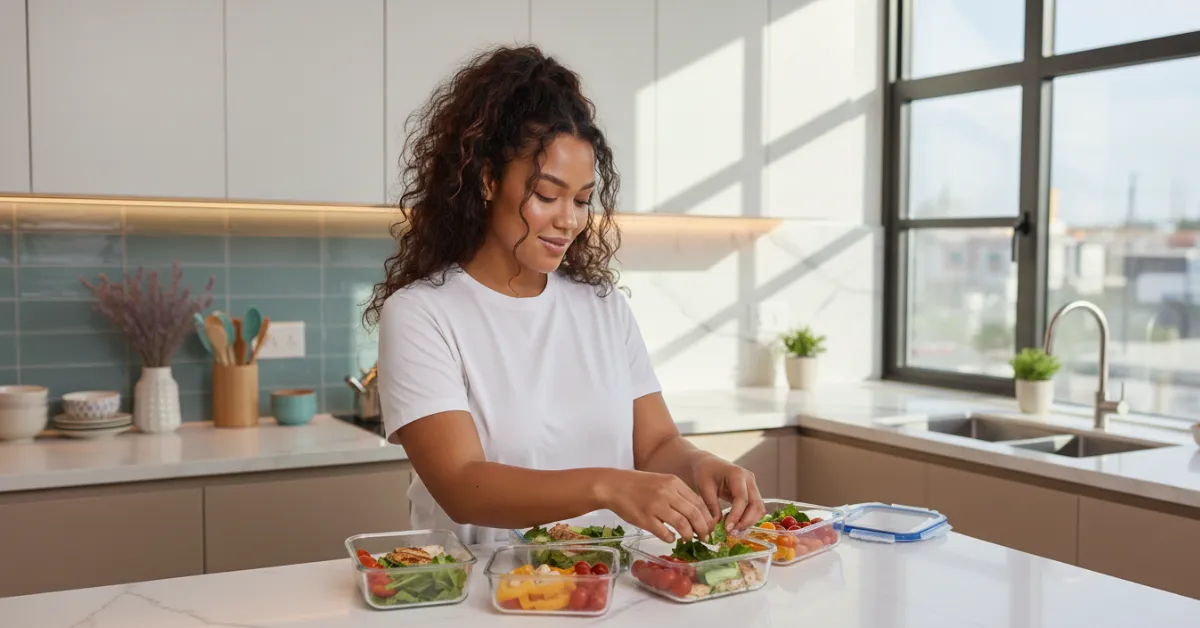
Instead of preparing complete meals, use GLP-1 meal prep to create individual components you can mix and match.
Base proteins (prepare 2-3 varieties):
- Grilled chicken breast (sliced thin)
- Baked salmon portions (3-4 oz each)
- Hard-boiled eggs
- Lean ground turkey or beef
Vegetable options (prepare 3-4 types):
- Roasted Brussels sprouts
- Steamed broccoli
- Sautéed peppers and onions
- Mixed greens salad
Healthy carbs (prepare 1-2 options):
- Quinoa
- Sweet potato cubes
- Brown rice
- Whole grain bread
Healthy fats:
- Sliced avocado
- Nuts and seeds
- Olive oil-based dressings
This modular GLP-1 meal prep approach allows you to create different combinations daily, preventing food boredom while using all components before spoilage.
2. Mini Portion Container Strategy
Invest in appropriately sized containers for GLP-1 meal prep success.
Optimal container sizes:
- 8-12 oz single compartment containers for complete meals
- 4 oz containers for protein portions
- Small 2 oz containers for dressings, sauces, nuts
- Ice cube trays for freezing single-serving sauce portions
Standard meal prep containers (24-32 oz) create psychological pressure to overeat and result in significant food waste.
Right-sized containers make appropriate portions look satisfying rather than sad and inadequate.
This container strategy aligns perfectly with meal planning principles that support sustainable healthy eating.
3. The Leftover Transformation Method
Master the art of transforming dinner leftovers into completely different meals within your GLP-1 meal prep system.
Leftover roasted chicken transformations:
- Monday dinner: Roasted chicken breast with vegetables
- Tuesday lunch: Chicken salad with Greek yogurt and grapes
- Wednesday breakfast: Chicken and vegetable egg scramble
- Thursday lunch: Chicken bone broth soup with noodles
Leftover grilled salmon transformations:
- Sunday dinner: Grilled salmon with asparagus
- Monday lunch: Salmon salad with mixed greens and lemon dressing
- Tuesday breakfast: Salmon and cream cheese on whole grain toast
- Wednesday lunch: Salmon pasta with light cream sauce
This approach maximizes every ingredient while preventing taste fatigue through creative reinvention.
4. Freezer-Friendly Single Servings
Leverage your freezer as an essential tool in your GLP-1 meal prep strategy.
Freezer-friendly single-serving ideas:
- Homemade mini muffins (protein-enriched with Greek yogurt and eggs)
- Individual burger patties (beef, turkey, or veggie)
- Small portions of soups and stews in 8 oz containers
- Pre-portioned smoothie ingredients in individual bags
- Single-serving breakfast burritos wrapped individually
- Mini meatballs or meatloaf portions
Freezing extends ingredient life dramatically, reduces pressure to eat everything quickly, and provides convenient grab-and-go options.
Label everything with contents and date—frozen items look identical after a few weeks, and mystery freezer meals rarely get eaten.
5. The Protein-First Prep Principle
Structure your entire GLP-1 meal prep around protein sources as the foundation.
Why protein-first matters:
With reduced appetite and smaller meal volumes, meeting protein requirements becomes challenging.
Most GLP-1 users need 60-100 grams of protein daily to preserve muscle mass during weight loss.
Prioritizing protein in meal prep ensures adequate intake despite reduced overall food consumption.
Protein-first GLP-1 meal prep workflow:
- Determine weekly protein needs (0.7-1 gram per pound of goal body weight)
- Select 4-5 protein sources to prepare
- Cook and portion proteins first
- Add vegetables and carbohydrates around protein servings
- Include protein-rich snacks (Greek yogurt, cottage cheese, protein shakes)
This systematic approach prevents the common pitfall of filling up on less nutritious foods and missing protein targets.
6. Repurpose Restaurant Leftovers Strategically
Restaurant portions are enormous—even appetizers often provide 2-3 GLP-1-appropriate servings.
Restaurant leftover GLP-1 meal prep strategy:
Immediately upon arriving home, divide restaurant leftovers into proper portions before refrigerating.
Italian restaurant pasta transformations:
- Original meal: Chicken parmesan with pasta (yields 4-6 GLP-1 servings)
- Portion 1: Eat as originally served
- Portion 2: Reheat as-is for another meal
- Portion 3: Transform into soup by adding broth and vegetables
- Portion 4: Create pasta salad by adding fresh vegetables and Italian dressing
This strategy makes expensive restaurant meals incredibly cost-effective while providing diverse eating experiences.
7. Batch Cook Versatile Bases
Prepare neutral-flavored base ingredients that can be flavored differently throughout the week in your GLP-1 meal prep.
Versatile bases to batch cook:
Plain grilled chicken breast:
- Asian flavoring: Add soy sauce, ginger, garlic
- Mexican flavoring: Add cumin, chili powder, lime
- Mediterranean flavoring: Add oregano, lemon, olive oil
- Indian flavoring: Add curry powder, coconut milk, turmeric
Plain ground turkey:
- Italian: Add marinara sauce and Italian seasonings
- Taco: Add taco seasoning and salsa
- Asian: Add teriyaki sauce and vegetables
- Breakfast: Add eggs and breakfast seasonings
This approach provides variety from minimal cooking effort, preventing the meal prep monotony that often leads to ordering takeout.
8. The Vegetable Prep-Ahead System
Vegetables spoil quickly, creating waste in traditional GLP-1 meal prep approaches.
Optimal vegetable prep strategies:
Wash and chop immediately: Process vegetables when you bring them home from the store.
Store in airtight containers with paper towels to absorb moisture.
Roast in large batches: Roasted vegetables stay fresh 4-5 days and taste delicious cold or reheated.
Blanch and freeze: Blanch vegetables briefly, shock in ice water, dry thoroughly, and freeze in single-serving portions.
Pre-made salad containers: Layer greens, harder vegetables, proteins, and keep dressing separate until eating.
Proper vegetable prep within your GLP-1 meal prep system ensures you actually eat vegetables rather than watching them wilt in the crisper drawer.
9. Breakfast Prep for Protein Success
Breakfast often becomes the most challenging meal for GLP-1 users who traditionally didn’t eat morning meals.
Make-ahead breakfast GLP-1 meal prep ideas:
Egg muffin cups: Whisk eggs with vegetables, cheese, and cooked meat. Pour into muffin tins and bake. Freeze individually.
Overnight oats with protein powder: Combine oats, protein powder, milk, and toppings in jars. Refrigerate overnight.
Greek yogurt parfait prep: Layer Greek yogurt, berries, and granola in containers. Keep granola separate until eating to maintain crunch.
Breakfast burrito wraps: Fill whole grain tortillas with scrambled eggs, cheese, and vegetables. Wrap individually and freeze.
Cottage cheese bowls: Portion cottage cheese into containers and add fruit, nuts, or savory vegetables.
These grab-and-go breakfast options make morning protein intake effortless despite reduced appetite.
Understanding weight management strategies helps contextualize why breakfast protein matters for GLP-1 users.
10. The Soup and Stew Solution
Soups and stews represent ideal GLP-1 meal prep options for multiple reasons.
Why soups work perfectly:
- Easy to portion into small servings (8-12 oz)
- Freeze exceptionally well
- Provide hydration along with nutrition
- Gentle on potentially sensitive digestive systems
- Incorporate diverse ingredients efficiently
- Reheat quickly for convenient meals
High-protein soup ideas for GLP-1 meal prep:
- Chicken tortilla soup
- White chicken chili
- Lentil soup with sausage
- Beef and vegetable stew
- Thai coconut curry soup with shrimp
- Minestrone with white beans
- Egg drop soup
Make large batches, freeze in individual portions, and rotate varieties to prevent taste fatigue.
11. Snack Prep for Emergencies
Even with reduced appetite, strategic snacks prevent excessive hunger and support nutrition goals within your GLP-1 meal prep.
Pre-portioned snack ideas:
- 1 oz cheese portions with whole grain crackers
- Small bags of mixed nuts (1-2 oz)
- Greek yogurt in individual containers
- Hummus portions (3 oz) with sliced vegetables
- Protein bars (choose options with minimal added sugar)
- Hard-boiled eggs (pre-peeled for convenience)
- Apple slices with individual nut butter packets
- String cheese with small fruit portions
Having prepared snacks prevents desperation eating of less nutritious convenience foods when hunger strikes unexpectedly.
12. The Slow Cooker Advantage
Slow cookers excel at creating tender, flavorful proteins and one-pot meals perfect for GLP-1 meal prep.
Slow cooker strategies:
Set it and forget it: Combine ingredients in the morning and return home to completed meal components.
Tender proteins: Slow cooking creates incredibly tender meats that are easier to digest and more appealing with reduced appetite.
Minimal effort, maximum flavor: Slow cookers develop deep flavors without active cooking time.
Batch cooking efficiency: Make large quantities and freeze portions for future use.
Favorite slow cooker recipes for GLP-1 meal prep:
- Shredded chicken breast (use for multiple applications)
- Pot roast with vegetables
- Pulled pork (lean cuts)
- Turkey chili
- Beef bone broth (use as soup base or drink directly for protein)
13. Ingredient Overlap Strategy
Plan your GLP-1 meal prep using overlapping ingredients to minimize waste and simplify shopping.
Example weekly plan with ingredient overlap:
Proteins: Chicken breast, ground turkey, eggs Vegetables: Bell peppers, onions, spinach, tomatoes Grains: Quinoa, whole grain tortillas Dairy: Greek yogurt, cheese, cottage cheese
Monday: Grilled chicken with roasted peppers and quinoa Tuesday: Turkey and vegetable stir-fry with quinoa Wednesday: Chicken and spinach omelet with whole grain toast Thursday: Turkey chili with peppers and onions Friday: Chicken Greek bowl with vegetables, quinoa, and yogurt sauce
This approach uses the same core ingredients in different combinations, reducing shopping complexity and preventing spoilage.
14. The Assembly Line Approach
Maximize efficiency in your GLP-1 meal prep by using restaurant-style assembly line techniques.
Assembly line workflow:
- Prep all proteins simultaneously (bake chicken while browning ground turkey)
- While proteins cook, wash and chop all vegetables
- Start grains cooking (rice cooker or Instant Pot for hands-off cooking)
- Roast vegetables while proteins finish
- Cool all components
- Portion everything into appropriate containers
- Label with contents and date
- Store strategically (items for early week in front, freezer items in back)
This systematic approach transforms meal prep from overwhelming project to efficient 2-3 hour session producing a week’s worth of meals.
15. Leftover Ingredient Rescue Strategies
Even with careful planning, small amounts of ingredients remain unused in GLP-1 meal prep.
Rescue strategies for common leftover ingredients:
Half an avocado: Freeze cubes for smoothies, or make mini portion of guacamole and freeze.
Partial can of beans: Rinse, drain, and freeze in small portions for adding to soups or salads.
Leftover herbs: Chop and freeze in olive oil in ice cube trays for instant seasoning.
Small amounts of cooked grains: Mix into egg scrambles, add to soups, or form into grain patties.
Partial vegetables: Create vegetable broth for soup bases, blend into smoothies, or add to egg dishes.
Extra sauce or dressing: Freeze in small portions for future meals.
These rescue strategies eliminate guilt about waste while maximizing your food budget.
Connecting with health professionals can provide personalized GLP-1 meal prep guidance for your specific nutritional needs.
Storage and Food Safety for GLP-1 Meal Prep
Proper storage ensures food safety and maintains quality in your prepared meals.
Essential storage guidelines:
Refrigerator storage (40°F or below):
- Cooked proteins: 3-4 days
- Cooked vegetables: 3-5 days
- Cooked grains: 4-6 days
- Prepared salads: 3-4 days
- Soups and stews: 3-4 days
Freezer storage (0°F or below):
- Cooked proteins: 2-3 months
- Cooked vegetables: 2-3 months
- Soups and stews: 2-3 months
- Prepared breakfast items: 1-2 months
Safety practices:
- Cool foods to room temperature within 2 hours of cooking
- Use airtight containers to prevent freezer burn
- Label everything with contents and date
- Reheat to 165°F internal temperature
- When in doubt, throw it out—food poisoning isn’t worth the risk
Budget-Friendly GLP-1 Meal Prep
Smaller portions and reduced food waste actually make GLP-1 meal prep more economical than traditional eating patterns.
Money-saving strategies:
Buy smaller quantities: Don’t buy family-size packages if you’ll waste half. Individual portions cost more per ounce but less overall.
Shop sales strategically: Buy proteins on sale and freeze immediately in appropriate portions.
Embrace canned and frozen: Canned beans, frozen vegetables, and frozen fruits are nutritious, economical, and reduce waste.
Use every part: Vegetable scraps make broth. Rotisserie chicken carcasses make soup. Overripe fruit goes in smoothies.
Store brands work: Generic Greek yogurt, cottage cheese, and frozen vegetables provide identical nutrition at lower cost.
Batch cook on sale days: When ground turkey goes on sale, buy multiple pounds, cook in batches with different seasonings, and freeze.
Effective GLP-1 meal prep reduces restaurant spending, minimizes food waste, and optimizes your nutrition budget.
Common GLP-1 Meal Prep Questions
“How do I meal prep when my appetite varies daily?”
Create flexible systems rather than rigid plans.
Prepare diverse components and smaller portions rather than complete identical meals.
Some days you’ll eat more, some days less—having options accommodates this natural variation.
“What if I develop food aversions to prepped meals?”
Build variety into your GLP-1 meal prep by preparing multiple protein and vegetable options.
Freeze portions if aversions develop—preferences often shift back after a week or two.
Have backup simple options (Greek yogurt, protein shakes, simple eggs) for days when nothing appeals.
“How do I prevent prep burnout?”
Don’t prep seven days at once—prepare 3-4 days of meals twice weekly.
Alternate between different prep styles (slow cooker week, stir-fry week, soup week).
Allow yourself occasional prep-free days with simple assembled meals (rotisserie chicken with pre-washed salad).
“Should I meal prep if I live alone?”
Absolutely! Solo living makes meal prep even more valuable.
Cooking single portions from scratch daily is inefficient and often leads to less nutritious choices.
GLP-1 meal prep for one person focuses on smaller batches, more freezer reliance, and ingredient overlap.
Conclusion: Mastering GLP-1 Meal Prep for Long-Term Success
GLP-1 meal prep isn’t about restriction or deprivation—it’s about working intelligently with your transformed appetite to optimize nutrition, minimize waste, save money, and reduce decision fatigue.
The strategies in this guide transform meal preparation from overwhelming burden to sustainable system that supports your health transformation effortlessly.
Start with one or two techniques that resonate most strongly, implement them consistently for 2-3 weeks, then gradually add additional strategies as they become habitual.
Your GLP-1 meal prep system is personal—adapt these approaches to match your preferences, schedule, cooking skills, and budget.
The perfect system is the one you’ll actually maintain long-term, not the most complex or impressive-looking meal prep photos on social media.
For additional support on your nutrition journey and comprehensive GLP-1 meal prep guidance, explore expert resources designed to help you thrive.
Sign up for free Session!
It’s easy and free!
Check Your Eligibility
Want to optimize your nutrition while using GLP-1 medications? Discover personalized meal planning strategies and wellness resources here.