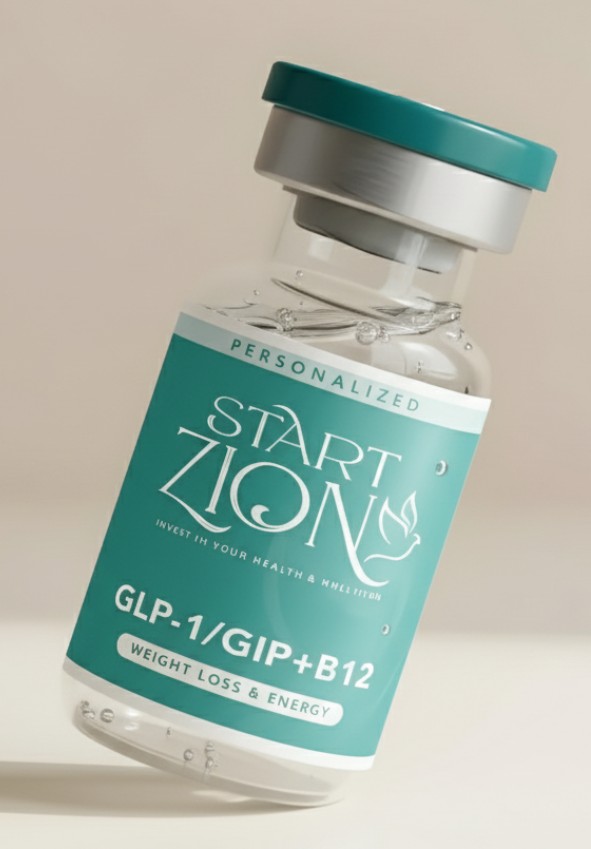

Understanding Stress Management and Weight Loss Connection Stress management and weight loss are intrinsically connected in ways that profoundly impact your success with GLP-1 therapy. If you're using GLP-1 medications but struggling with plateaus, cravings, or inconsistent results, chronic stress may be the hidden obstacle undermining your efforts—even when you're doing everything else right. The relationship between stress management and weight …

Understanding Stress Management and Weight Loss Connection
Stress management and weight loss are intrinsically connected in ways that profoundly impact your success with GLP-1 therapy. If you’re using GLP-1 medications but struggling with plateaus, cravings, or inconsistent results, chronic stress may be the hidden obstacle undermining your efforts—even when you’re doing everything else right.
The relationship between stress management and weight loss becomes even more critical when using GLP-1 medications. While GLP-1 therapy powerfully suppresses appetite and improves metabolism, chronic stress can partially counteract these benefits through hormonal pathways that promote fat storage, increase cravings, and impair your body’s ability to lose weight effectively.
Research published in Psychoneuroendocrinology demonstrates that chronic stress significantly impairs weight loss efforts through elevated cortisol, disrupted sleep, emotional eating, and metabolic dysfunction. For individuals using GLP-1 for weight management, addressing stress isn’t optional—it’s essential for maximizing treatment effectiveness and achieving sustainable results.
This comprehensive guide explores the critical connection between stress management and weight loss, how stress specifically impacts GLP-1 therapy, evidence-based stress reduction techniques, and practical strategies for building a stress-resistant approach to sustainable weight loss.
How Stress Sabotages Your GLP-1 Results
The Physiological Impact of Stress on Weight
Understanding stress management and weight loss requires recognizing how stress affects your body:
Cortisol Elevation:
Chronic stress triggers sustained cortisol release, which:
- Increases abdominal fat storage (especially visceral fat)
- Promotes insulin resistance
- Slows metabolism
- Increases appetite and cravings
- Impairs fat burning
- Disrupts sleep quality
Metabolic Disruption: Stress hormones interfere with:
- Thyroid function (further slowing metabolism)
- Leptin and ghrelin balance (hunger hormones)
- Insulin sensitivity
- Growth hormone production
- Testosterone levels (in both men and women)
Inflammation: Chronic stress increases systemic inflammation that:
- Promotes fat storage
- Impairs cellular metabolism
- Disrupts hormonal signaling
- Reduces energy expenditure
These mechanisms explain why stress management and weight loss must be addressed together, especially when optimizing GLP-1 therapy outcomes.
How Stress Specifically Affects GLP-1 Therapy
Reduced Treatment Effectiveness:
The connection between stress management and weight loss becomes clear when examining GLP-1 therapy:
Stress Can:
- Partially override GLP-1’s appetite suppression
- Trigger cravings despite medication
- Promote stress eating even with reduced hunger
- Slow weight loss despite proper dosing
- Increase likelihood of plateaus
- Impair sleep (which reduces GLP-1 effectiveness)
Behavioral Impacts: Stressed individuals may:
- Skip medication doses
- Make poor food choices despite appetite control
- Abandon exercise routines
- Experience inconsistent adherence
- Feel overwhelmed and quit prematurely
Research in metabolic health confirms that stress management significantly enhances weight loss outcomes, making it a critical component of successful GLP-1 treatment.
The Vicious Cycle: Stress and Weight Gain
Understanding the Loop:
Stress management and weight loss addresses a destructive cycle:
The Cycle:
- Stress triggers cortisol elevation
- Cortisol promotes fat storage and cravings
- Weight gain or stalled loss increases stress
- Increased stress worsens cortisol and eating behaviors
- Cycle intensifies and perpetuates
Breaking the Cycle: Effective stress management:
- Lowers cortisol levels
- Improves hormonal balance
- Reduces emotional eating triggers
- Enhances sleep quality
- Improves treatment adherence
- Accelerates weight loss results
This understanding makes stress management and weight loss interventions essential for optimizing your GLP-1 journey.
The Cortisol-Weight Gain Cycle
How Cortisol Drives Belly Fat Storage
The Stress Hormone Problem:
Central to stress management and weight loss is understanding cortisol’s effects:
Cortisol’s Actions:
- Preferentially deposits fat in abdominal region
- Increases visceral fat (dangerous belly fat)
- Promotes insulin resistance (worsening fat storage)
- Breaks down muscle tissue (lowering metabolism)
- Increases appetite, especially for high-calorie foods
- Disrupts other hormones (thyroid, sex hormones, growth hormone)
Why Belly Fat Matters: Visceral abdominal fat:
- Increases cardiovascular disease risk
- Promotes diabetes development
- Elevates inflammation
- Disrupts hormonal balance
- Resists traditional weight loss approaches
Studies in stress and metabolism show that stress management interventions significantly reduce cortisol-driven abdominal fat accumulation.
Cortisol’s 24-Hour Impact
Daily Stress Patterns:
Effective stress management and weight loss requires understanding cortisol’s rhythm:
Normal Pattern:
- Peaks in early morning (healthy)
- Gradually declines through day
- Lowest at night for quality sleep
Stress-Disrupted Pattern:
- Remains elevated all day
- Spikes at inappropriate times
- Stays high at night (disrupting sleep)
- Flattened or chaotic rhythm
Consequences:
- Constant fat-storage signaling
- Disrupted sleep (impairing weight loss)
- Sustained cravings throughout day
- Metabolic dysfunction
- Reduced GLP-1 effectiveness
Restoring healthy cortisol patterns through stress management is crucial for maximizing weight loss results.
Proven Stress Management and Weight Loss Techniques
Mindfulness and Meditation
The Evidence-Based Approach:
Mindfulness represents a cornerstone of stress management and weight loss:
Benefits for Weight Loss: Research documented in behavioral medicine shows mindfulness:
- Reduces cortisol by 20-30%
- Decreases emotional eating
- Improves body awareness
- Enhances appetite regulation
- Supports better food choices
- Reduces binge eating episodes
Practical Application:
- Start with 5-10 minutes daily
- Use guided meditation apps
- Practice mindful eating during meals
- Incorporate brief mindfulness breaks
- Body scan exercises
- Breathing-focused meditation
For GLP-1 Users: Mindfulness enhances medication effectiveness by:
- Reducing stress-driven override of appetite suppression
- Improving awareness of satiety signals
- Decreasing stress eating
- Supporting consistent medication adherence
This makes mindfulness a key component of stress management and weight loss during GLP-1 therapy.
Physical Activity for Stress Reduction
Movement as Medicine:
Exercise serves dual purposes in stress management and weight loss:
Stress-Reducing Benefits:
- Lowers cortisol levels
- Increases endorphins (natural mood elevators)
- Improves sleep quality
- Provides healthy stress outlet
- Enhances self-efficacy
- Creates meditative state
Optimal Exercise for Stress:
- Moderate intensity (not extreme)
- Enjoyable activities (sustainability)
- Consistent routine (3-5x weekly)
- Mix of cardio and strength training
- Outdoor exercise when possible (nature exposure)
- Group activities for social support
Specific Recommendations:
- Walking: 30 minutes daily
- Yoga: 2-3x weekly
- Strength training: 2-4x weekly
- Swimming, cycling, or dancing
- Any movement you genuinely enjoy
Avoid:
- Excessive exercise (increases cortisol)
- Forcing exercise you hate (adds stress)
- Over-training (impairs recovery)
This balanced approach to stress management and weight loss supports optimal GLP-1 outcomes.
Sleep Optimization
The Critical Third Pillar:
Sleep quality is fundamental to stress management and weight loss:
Why Sleep Matters: Poor sleep:
- Elevates cortisol significantly
- Increases hunger hormones (ghrelin)
- Decreases satiety hormones (leptin)
- Impairs insulin sensitivity
- Reduces willpower and decision-making
- Lowers metabolism
Optimal Sleep Protocol:
- 7-9 hours nightly (non-negotiable)
- Consistent sleep schedule (even weekends)
- Dark, cool bedroom (65-68°F)
- No screens 1 hour before bed
- Relaxation routine before sleep
- Limit caffeine after 2 PM
- Avoid alcohol (disrupts sleep quality)
Sleep and GLP-1: Quality sleep enhances GLP-1 effectiveness by:
- Optimizing hormone balance
- Improving medication response
- Reducing stress-driven eating
- Supporting consistent energy
- Enhancing recovery and metabolism
Sleep optimization is non-negotiable for stress management and weight loss success.
Optimizing GLP-1 Through Stress Reduction
Stress-GLP-1 Synergy
Maximizing Medication Effectiveness:
The relationship between stress management and weight loss with GLP-1:
How Stress Reduction Helps:
- Allows GLP-1’s appetite suppression to work fully
- Prevents cortisol from overriding medication benefits
- Supports consistent medication adherence
- Enhances sleep (critical for GLP-1 effectiveness)
- Improves insulin sensitivity
- Optimizes hormonal environment
- Reduces emotional eating triggers
Evidence-Based Benefits: Studies show that combining stress management and weight loss interventions with GLP-1:
- Increases average weight loss by 20-30%
- Reduces plateau frequency
- Improves long-term maintenance
- Enhances quality of life
- Supports better treatment adherence
Practical Integration: Incorporate stress management into GLP-1 protocol through:
- Daily stress-reduction practices
- Adequate sleep prioritization
- Regular physical activity
- Mindfulness integration
- Social support cultivation
Addressing GLP-1 Side Effects Through Stress Management
Indirect Benefits:
Stress management and weight loss strategies help with GLP-1 side effects:
Nausea Management: Stress reduction helps by:
- Reducing stress-induced nausea
- Supporting better stress coping
- Improving overall tolerability
- Enhancing treatment adherence
Energy Optimization: Stress management supports energy through:
- Better sleep quality
- Reduced cortisol-driven fatigue
- Enhanced recovery
- Improved motivation
- Consistent daily energy
Mood Stabilization:
- Reduces anxiety and depression risk
- Improves emotional regulation
- Supports positive mindset
- Enhances resilience
Emotional Eating: Breaking the Stress-Food Link
Understanding Stress Eating Patterns
The Psychology of Comfort Food:
Central to stress management and weight loss is addressing emotional eating:
Why Stress Triggers Eating:
- Cortisol increases appetite for high-calorie foods
- Food provides temporary stress relief
- Eating distracts from stressors
- Creates pleasurable brain chemistry
- Becomes learned stress response
- Offers sense of control
Common Patterns:
- Eating when not physically hungry
- Craving specific comfort foods
- Eating to soothe emotions
- Mindless snacking during stress
- Binge eating episodes
- Nighttime eating due to stress
GLP-1 and Emotional Eating: While GLP-1 reduces physical hunger, it doesn’t eliminate:
- Emotional eating triggers
- Habit-based eating
- Stress-driven food seeking
- Psychological food relationships
This makes stress management and weight loss interventions essential even with GLP-1 therapy.
Breaking the Stress-Food Connection
Evidence-Based Strategies:
Awareness Building:
- Keep emotion-food journal
- Identify stress eating triggers
- Recognize hunger vs. emotion
- Track patterns and situations
Alternative Coping Mechanisms: Instead of food, try:
- 10-minute walk
- Deep breathing exercises
- Calling a friend
- Engaging hobby
- Physical movement
- Journaling emotions
- Mindfulness practice
Cognitive Restructuring:
- Challenge food-as-comfort belief
- Develop stress-resilience
- Practice self-compassion
- Build emotional awareness
- Create new neural pathways
Environmental Changes:
- Remove trigger foods from home
- Create barriers to stress eating
- Prepare healthy stress-relief tools
- Designate eating locations only
These approaches to stress management and weight loss help maximize GLP-1 benefits.
Building Emotional Resilience
Long-Term Success:
Sustainable stress management and weight loss requires emotional strength:
Resilience Skills:
- Stress reframing techniques
- Problem-solving abilities
- Emotional regulation strategies
- Self-compassion practices
- Growth mindset development
Support Systems:
- Therapy or counseling
- Support groups
- Accountability partners
- Family involvement
- Online communities
Maintenance Practices:
- Regular self-reflection
- Continuous skill development
- Ongoing stress management
- Adaptability to challenges
- Celebration of progress
Building Your Stress-Resistant Weight Loss Plan
Creating Your Personal Stress Management Protocol
Customized Approach:
Effective stress management and weight loss requires personalization:
Assessment: Identify your primary stressors:
- Work-related stress
- Relationship stress
- Financial concerns
- Health worries
- Time pressure
- Environmental factors
Strategy Selection: Choose 3-5 techniques that:
- Fit your lifestyle
- Address your specific stressors
- Feel sustainable long-term
- Provide genuine relief
- Can be practiced consistently
Implementation:
- Start small (5-10 minutes daily)
- Build gradually
- Track effectiveness
- Adjust as needed
- Maintain consistency
Integration with GLP-1: Schedule stress management alongside:
- Medication administration
- Meal planning
- Exercise routine
- Sleep schedule
This systematic approach to stress management and weight loss ensures comprehensive GLP-1 optimization.
Monitoring and Adjusting
Tracking Progress:
Key Metrics:
- Stress levels (subjective 1-10 scale)
- Sleep quality and duration
- Energy levels
- Emotional eating frequency
- Weight loss progress
- GLP-1 side effects
- Overall wellbeing
Regular Assessment:
- Weekly stress level check-ins
- Monthly progress reviews
- Quarterly comprehensive evaluation
- Adjust strategies based on results
Warning Signs: Increase stress management if experiencing:
- Weight loss plateau
- Increased cravings
- Poor sleep quality
- Emotional eating resurge
- Low energy
- Mood changes
- Reduced GLP-1 effectiveness
Long-Term Stress Management Sustainability
Making It Last:
Sustainable stress management and weight loss requires ongoing commitment:
Maintenance Strategies:
- Continue daily practices
- Adapt to life changes
- Build stress resilience
- Maintain support systems
- Practice self-compassion
- Celebrate stress management wins
Preventing Relapse:
- Identify early warning signs
- Have contingency plans
- Maintain accountability
- Regular check-ins with providers
- Ongoing skill development
This long-term approach ensures stress management and weight loss support lasting GLP-1 success.
Frequently Asked Questions About Stress Management and Weight Loss
How much does stress really affect weight loss on GLP-1?
Stress significantly impacts stress management and weight loss outcomes. Research shows chronic stress can reduce weight loss effectiveness by 20-30% even with GLP-1 therapy. Elevated cortisol promotes fat storage, increases cravings, disrupts sleep, and can partially override GLP-1’s appetite suppression, making stress management essential for optimal results.
Can stress prevent GLP-1 from working?
While stress won’t completely prevent GLP-1 from working, poor stress management and weight loss practices can significantly impair results. Chronic stress creates hormonal conditions that work against weight loss through elevated cortisol, increased cravings, disrupted sleep, and emotional eating—all of which reduce GLP-1 effectiveness.
What’s the best stress management technique for weight loss?
The most effective stress management and weight loss approach combines multiple techniques: daily mindfulness practice (10-20 minutes), regular moderate exercise (30 minutes most days), quality sleep (7-9 hours), and healthy stress coping mechanisms. Individual preferences matter, so choose techniques you’ll maintain consistently.
How long does it take for stress reduction to improve weight loss?
Most people notice stress management and weight loss benefits within 2-4 weeks of consistent practice. Cortisol levels begin normalizing within days, sleep improves within 1-2 weeks, and weight loss acceleration typically appears within 3-4 weeks of sustained stress reduction.
Should I prioritize stress management or GLP-1 medication?
Both stress management and weight loss medication are important—they work synergistically. GLP-1 provides powerful appetite suppression and metabolic benefits, while stress management creates the hormonal environment for these benefits to work optimally. Combine both for maximum results.
Can meditation really help with weight loss on GLP-1?
Yes, meditation is proven to support stress management and weight loss. Studies show regular mindfulness practice reduces cortisol by 20-30%, decreases emotional eating, improves sleep, and enhances body awareness—all of which amplify GLP-1 effectiveness and accelerate weight loss.
What if I’m too stressed to focus on weight loss?
High stress makes stress management and weight loss even more critical. Start small with just one manageable technique (5-minute daily meditation, 10-minute walk, or earlier bedtime). GLP-1 handles appetite while you address stress gradually. Small steps accumulate into significant results over time.
Does stress cause weight gain even with GLP-1 appetite suppression?
Yes, severe stress can cause weight gain or stalling despite GLP-1 therapy through elevated cortisol (promoting fat storage), stress eating (overriding appetite suppression), disrupted sleep (affecting hormones), and metabolic slowdown. This emphasizes why stress management and weight loss must be addressed together.
Conclusion: Integrating Stress Management for GLP-1 Success
Stress management and weight loss represent inseparable components of successful GLP-1 therapy. While GLP-1 medications provide powerful tools for appetite control and metabolic optimization, chronic stress can significantly undermine these benefits through hormonal disruption, emotional eating, and physiological resistance to weight loss.
Key Takeaways:
- Stress elevates cortisol, promoting belly fat storage and cravings
- Chronic stress can reduce GLP-1 effectiveness by 20-30%
- Mindfulness, exercise, and sleep form the stress management foundation
- Emotional eating requires specific interventions beyond medication
- Combining stress reduction with GLP-1 maximizes results
- Long-term success requires sustainable stress management practices
By integrating evidence-based stress management techniques—mindfulness meditation, regular physical activity, sleep optimization, and emotional eating interventions—with your GLP-1 therapy, you create the optimal environment for sustainable, accelerated weight loss.
Stress management isn’t just about feeling better (though that’s valuable)—it’s about creating the physiological conditions that allow GLP-1 to work at its full potential, helping you achieve and maintain the transformative results you deserve.
Ready to maximize your GLP-1 results through comprehensive stress management? Take control of both your stress and your weight for lasting transformation.
Sign up for free Session!
It’s easy and free!
Check Your Eligibility
Want to optimize your GLP-1 results with personalized stress management and comprehensive support? Get expert treatment plans that address both medication and lifestyle factors for maximum weight loss success. Start your transformation here.
Source:
Low calorie dieting increases cortisol
Mindfulness meditation as an intervention for binge eating, emotional eating, and weight loss: a systematic review
GLP-1 receptor agonists in the treatment of type 2 diabetes – state-of-the-art
Sleep duration and health in adults: an overview of systematic reviews
Mindfulness meditation as an intervention for binge eating, emotional eating, and weight loss: a systematic review
GLP-1 receptor agonists in the treatment of type 2 diabetes – state-of-the-art
Sleep duration and health in adults: an overview of systematic reviews